Buying a construction company is one of the most defensible ETA plays in the lower middle market. Fragmented industry. Aging owner base. Essential services with genuine barriers to entry that most buyers ignore until they are sitting across from a lender.
The data backs the thesis. According to Regalis Capital's deal team analysis, the national median asking price for a construction business is $1,197,500, with median annual cash flow of $362,500. That implies a 3.0x multiple. Most transactions land between 2.5x and 4x, with specialty trade contractors commanding premium multiples when licensing scarcity and recurring service revenue are present.
The construction industry is also sitting inside the Silver Tsunami. The U.S. Census Bureau reports that the average age of a construction business owner is over 55. Millions of baby boomer operators have built skilled teams, solid backlogs, and profitable books of business. Most have no succession plan. That gap is where the deal flow lives for buyers who are willing to do the pre-close work.
The SBA structure that makes this work
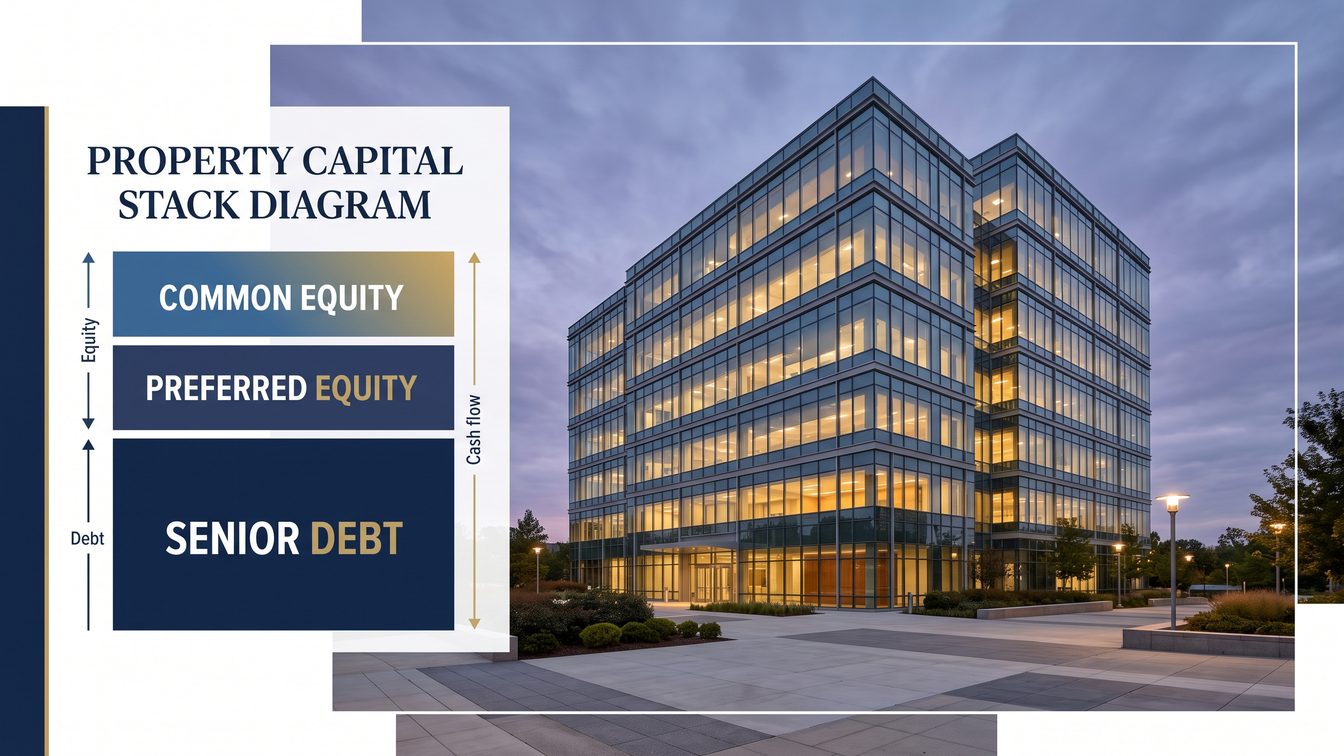
SBA 7(a) financing covers up to 90% of a construction acquisition. The required 10% equity injection is typically structured as 5% buyer cash plus a 5% seller note on full standby. Full standby means no principal or interest payments to the seller during the loan term. The seller note functions as equity under SBA rules.
On a $1.2M deal, the buyer's out-of-pocket cash at close is approximately $60,000.
Annual debt service on a $958,000 SBA loan at current rates runs approximately $124,000 per year. Against $362,500 in verified cash flow, the debt service coverage ratio comes in around 2.9x. Well above the 1.25x minimum lenders require to approve the deal.
One nuance: if you already own a business in the same industry and geographic area, the SBA classifies the acquisition as an expansion rather than a new purchase. Per AC Surety's 2026 guide, that classification often reduces the equity injection requirement to zero. Buyers with existing contractor operations almost never use this rule. They should.
What you are actually buying
Construction companies do not produce recurring revenue the way a software business does. They produce backlog. Signed contracts. Committed work at agreed pricing.
A signed backlog covering 6 to 18 months of annual revenue is the closest thing construction has to recurring revenue. Regalis Capital's deal team reports that companies with backlog equivalent to at least 6 months of annual revenue consistently trade at the high end of the 3x to 4x range. Shops with no backlog or heavy customer concentration trade at or below 2.5x regardless of trailing cash flow.
The backlog figure on the seller's sheet must be verified. Verbal commitments do not count. Signed contracts with defined scope and confirmed pricing only.
Revenue concentration
If 60% of revenue comes from one general contractor or one municipality, that is a structural risk. Lenders flag it. You should flag it before lenders do. A concentrated revenue base is not always a deal-killer, but it requires either price protection through an earnout or diversification milestones built into the purchase agreement before signing.
The licensing trap that kills deals late
In many states, a general contractor license is tied to the qualifying individual, not the entity. If the seller holds the license and it does not transfer with the business, you lose the ability to bid or execute permitted work after close.
Buyers who discover this late face two options: hold the seller on a post-close consulting agreement while a new qualifying individual applies for the license, or walk from the deal. Both outcomes are expensive. One is avoidable.
Verify license transferability with your state contractor licensing board before you spend money on due diligence. Not after.
Equipment: do not trust the depreciation schedule
Equipment on the balance sheet has appraised value that supports SBA underwriting. Owned equipment is better collateral than leased equipment. But the seller's depreciation schedule is not a market appraisal.
A 15-year-old excavator on the books at $50,000 may need $80,000 in near-term maintenance or replacement capital. Get independent equipment appraisals on any asset over $50,000. That number feeds your negotiation and your lender's underwriting, and it often changes the purchase price.
Job-level profitability is where the real numbers live
Company-level gross margin can look clean while individual projects are bleeding. Request job cost reports for the trailing 24 months. Look for margin consistency across project types and client segments.
Also look for change order patterns. Construction margins often depend on winning change orders after initial bids. If the seller is carrying unapproved change orders as revenue, that income is not real. Approved and billed only.
Working capital is thinner than it looks
Construction cash cycles are long. Accounts receivable runs slow. Retainage is held by clients for 60 to 120 days post-project completion in many cases. Weekly payroll does not wait for client payment schedules.
Build a real working capital peg into the purchase agreement. Arrive at close with enough liquidity to fund 60 to 90 days of operations without touching an SBA line. Sellers resist this. Buyers who skip it sometimes run out of cash in month three.
For a deeper look at how due diligence connects to deal structure, see the acquisition due diligence checklist we built for lower-middle-market buyers.
Subcontractor dependency
Many construction companies run on a small network of trusted subcontractors. If those relationships follow the seller rather than the entity, your production capacity walks out the door on closing day.
Map the subcontractor network during due diligence. Identify which subs have formal agreements versus handshake arrangements. Formal relationships can survive an ownership change. Handshake relationships often do not.
Timeline and what to expect
SBA-financed construction acquisitions take longer than standard business purchases. Equipment appraisals, bonding verification, and license review add material time to underwriting. Regalis Capital reports a typical timeline of 75 to 110 days from signed LOI to close.
Get your SBA lender engaged before you sign the LOI. Starting the lender relationship early compresses the timeline and eliminates the risk of a last-minute underwriting surprise killing a deal you have already spent three months on.
One opinion worth holding
Construction is not a passive acquisition. The operator who built the business has relationships, licenses, and institutional knowledge that do not transfer automatically. The first 90 days after close will test every system you put in place before signing.
That is also why the price is what it is. A 3x multiple on a fragmented, owner-operated business with genuine backlog is one of the most defensible entries available in the lower middle market. The operators who do the pre-close work own assets that compound over time.
The operators who skip it own problems.
Frequently Asked Questions
What is the typical valuation multiple for buying a construction company?
According to Regalis Capital's deal team, construction companies nationally trade at a median 3.0x cash flow multiple, with most transactions between 2.5x and 4x. Specialty trade contractors with licensing barriers and recurring service revenue command the upper end of that range. Companies with at least 6 months of signed backlog consistently trade higher than those without.
How does SBA financing work for a construction company acquisition?
SBA 7(a) loans cover up to 90% of a construction acquisition. The required 10% equity injection is typically structured as 5% buyer cash plus a 5% seller note on full standby at zero interest. On a $1.2M deal, that means approximately $60,000 out of pocket at close. Loan terms run 10 years, and lenders require a minimum 1.25x debt service coverage ratio before approving the deal.
What is the most common due diligence failure in construction acquisitions?
License transferability is the most common late-stage deal-killer. In many states, the general contractor license is tied to the qualifying individual, not the business entity. If the seller holds the license and it does not transfer with the company, the buyer loses the ability to bid or perform permitted work after close. Verify license status with your state licensing board before spending money on due diligence.
How long does it take to close a construction company acquisition?
SBA-financed construction acquisitions typically take 75 to 110 days from signed LOI to close. The additional time compared to simpler acquisitions comes from equipment appraisals, bonding verification, and contractor license review. Engaging your SBA lender before signing the LOI is the single most effective way to compress that timeline.