According to Regalis Capital's acquisition data, staffing agencies sell at a median asking price of $816,000 with median cash flow of roughly $291,000. That is a 2.7x average multiple. Lower than most service businesses. Higher than most people expect for a cash-flow-intensive, people-driven operation.
That spread is the opportunity.
Staffing is an overlooked ETA vertical. The business model is simple. You place workers. Clients pay a markup. The margin lands between 18% and 25% on temp placements, and 30% to 40% on direct hire. There is no inventory, no equipment depreciation worth worrying about, and no proprietary technology that can walk out the door. What you are buying is a client list, a recruiter team, and a compliance posture.
If all three hold, the acquisition works. If any one of them breaks, you find out in year one.
The three variables that set the multiple
Staffing agencies trade at 3x to 5.5x EBITDA in the lower middle market. Where a specific deal lands inside that range depends on three things.
Service line mix. Temp placements are commoditized. Direct hire commands a premium. An agency that generates 60% of revenue from direct hire or contract-to-hire in a niche vertical (healthcare, IT, engineering) will price at the high end of the range. A general temp shop competing on price will price near the floor.
Client concentration. No single client should represent more than 20% to 25% of gross profit. If one client accounts for 30% or more, lenders will push back and buyers should build that risk into the deal structure, not absorb it quietly.
Recruiter dependency. The question is not how many recruiters work there. It is whether those recruiters own the client relationships or the agency brand does. If two people manage the top five accounts, those people are the business. Plan accordingly.
How SBA financing works for staffing acquisitions
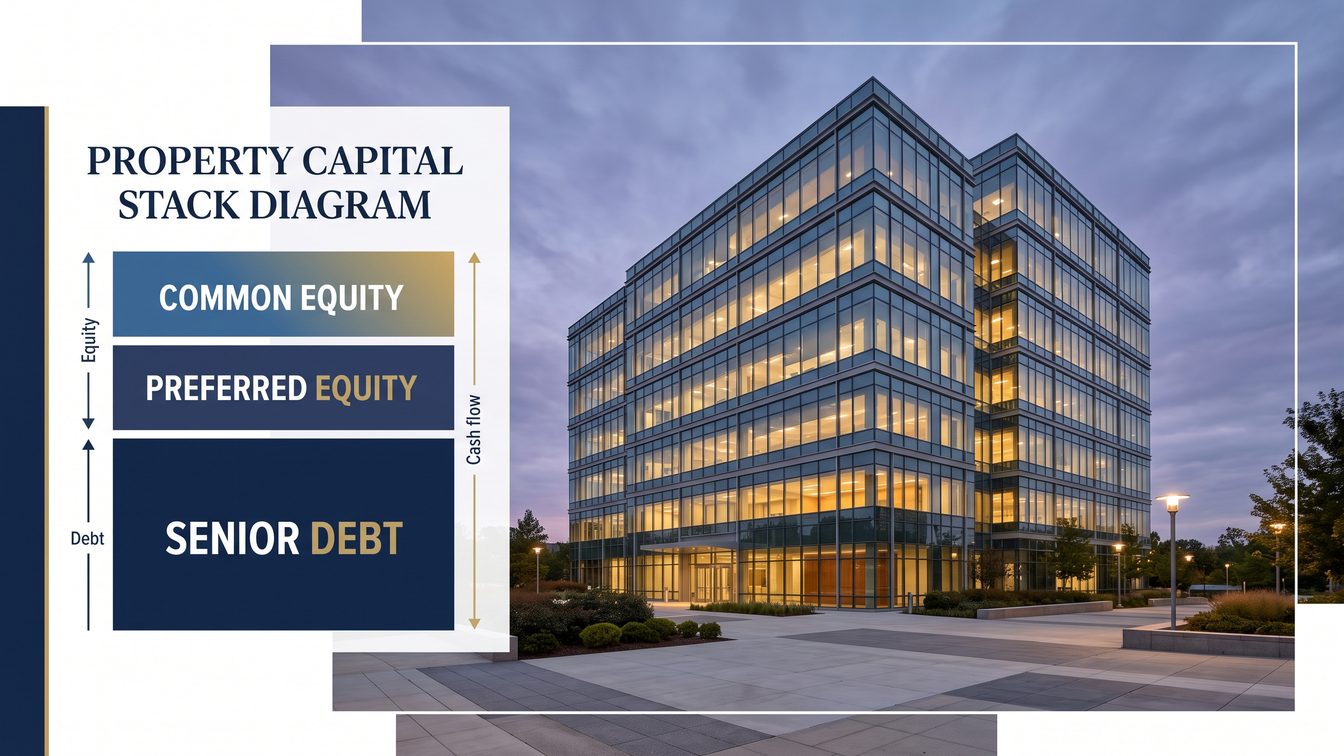
Staffing agencies qualify for SBA 7(a) financing. The standard structure runs 80% SBA loan, 15% seller note on full standby at 0% interest, and 5% buyer cash injection. On a $1M acquisition, that is $50,000 out of pocket to control a $291,000 cash flow stream.
The math works because staffing has predictable, recurring revenue. Lenders underwrite off three years of tax returns showing consistent earnings. One good year after two bad ones is a red flag. Three consecutive years of $250,000 to $350,000 in annual cash flow is a clean file.
The debt service coverage ratio target is 1.5x minimum, with 2.0x as the operating target. At a 2.0x DSCR, the business generates twice what it needs to service the SBA loan. That buffer matters when a client goes quiet or a key recruiter leaves in month four. For a deeper look at how SBA financing applies to veteran-owned acquisitions, see our piece on veteran business loans and SBA programs.
Client concentration: the deal-killer most buyers miss
The biggest risk in a staffing acquisition is not the income statement. It is the client list.
Staffing agencies commonly have two to five clients that account for 60% to 80% of revenue. Lose one client post-close and cash flow drops $100,000 to $200,000 overnight. The SBA lender still expects full debt service. Payroll still runs weekly. The math stops working fast.
Request a trailing 24-month billing report segmented by client, service type, and industry vertical before signing an LOI. If a single client exceeds 25% of gross profit, price that risk into the deal structure. Partial earnouts tied to that client's retention over 12 to 24 months post-close protect the buyer. So does a meaningful seller note on standby that the seller only collects if the client base holds.
Check whether client contracts are in writing. Check whether they are assignable on ownership transfer. Verbal relationships are common in staffing. They are also the first things that disappear when ownership changes.
Workers' comp: the hidden margin killer
Statutory employer costs, including FICA and workers' compensation insurance, typically run 12% to 15% of total markup in staffing. That cost is baked into gross margin calculations. What is not always visible is whether the agency has managed it well.
The experience modification rate (EMR) measures a company's workers' comp claims history relative to industry peers. A clean shop runs at 1.0 or below. An EMR above 1.2 means higher insurance premiums that follow the business into new ownership. Request the five-year claims history and the EMR before advancing to deep diligence. SBA lenders will ask for it.
California SB 642, which took effect January 1, 2026, tightened pay scale definitions for temporary workers. I-9 and E-Verify documentation for the entire temporary workforce must be current. An inaccurate I-9 file is not an administrative inconvenience. It is a federal audit trigger that survives ownership transfer.
People risk: recruiters own the relationships
Ask the seller which recruiters manage the top five client relationships. Then ask how their compensation is structured and whether non-solicitation agreements are in place.
If three recruiters run all client contact and they leave post-close, you bought a shell. You paid for revenue that walked out the door with the team. This is the most common post-close surprise in staffing acquisitions. It is also the most preventable.
Employment agreements offered at close, with retention bonuses tied to the first 12 to 24 months, solve most of this problem. Sellers who resist are telling you something about the strength of those relationships.
What to verify before signing an LOI
Three years of tax returns with consistent cash flow. A client billing report by account and service line. Workers' comp EMR and claims history. Key recruiter names and their compensation structures. A payroll tax compliance letter from the seller's accountant.
If those five items clear, commission a Quality of Earnings report before closing. Due diligence for deals under $10 million typically costs $25,000 to $75,000. That number is not the place to cut. It is the insurance policy that tells you whether the multiple you are paying is grounded in real, recurring cash flow or seller accounting.
Staffing is not a glamorous acquisition target. It is a cash-flow machine when the client base is diversified and the team is loyal. It qualifies for SBA financing at leverage ratios most ETA operators do not find in comparable service verticals. The diligence is specific, the risks are knowable, and the multiples are lower than businesses with the same economics in other sectors.
That is the definition of an overlooked vertical.
Frequently Asked Questions
What multiple do staffing agencies sell for in the lower middle market?
Staffing agencies typically sell at 3x to 5.5x EBITDA. The median deal runs closer to 2.7x cash flow based on Regalis Capital acquisition data. Agencies with niche verticals like healthcare or IT staffing, gross margins above 25%, and diversified client bases command multiples at the higher end of the range.
Can you use SBA financing to buy a staffing agency?
Yes. Staffing agencies qualify for SBA 7(a) financing. The standard structure is 80% SBA loan, 15% seller note on full standby at 0% interest, and 5% buyer cash injection. Lenders underwrite off three consecutive years of tax returns and require a debt service coverage ratio of at least 1.25x to 1.5x.
What is the biggest risk when buying a staffing agency?
Client concentration is the primary risk. If one client accounts for more than 25% of gross profit and exits after close, cash flow drops sharply while debt service and payroll obligations stay fixed. Build earnout provisions tied to key client retention into the deal structure before signing.
How long does it take to close a staffing agency acquisition?
From a signed Letter of Intent to close, a typical SBA-financed staffing acquisition takes 60 to 90 days. Accounts receivable transfer complications or worker classification issues found during due diligence can extend that timeline. Budget 90 days and plan operational continuity from week one.