Jeff Barnes
Partner, Patriot Growth Capital
Jeff Barnes served as a Navy diver and submariner, earning the rating of Machinist's Mate First Class (MM1/SS/DV) with qualifications in submarine warfare and deep-sea diving. He later served as a QA specialist in nuclear power — an environment where zero-defect standards are operational doctrine, not aspiration. That precision governs how he approaches capital allocation, business automation, and financial operations at PGC. He writes on search fund mechanics, AI for operations, and the financial architecture of lower-middle-market acquisitions.
Areas of Expertise
Articles by Jeff Barnes
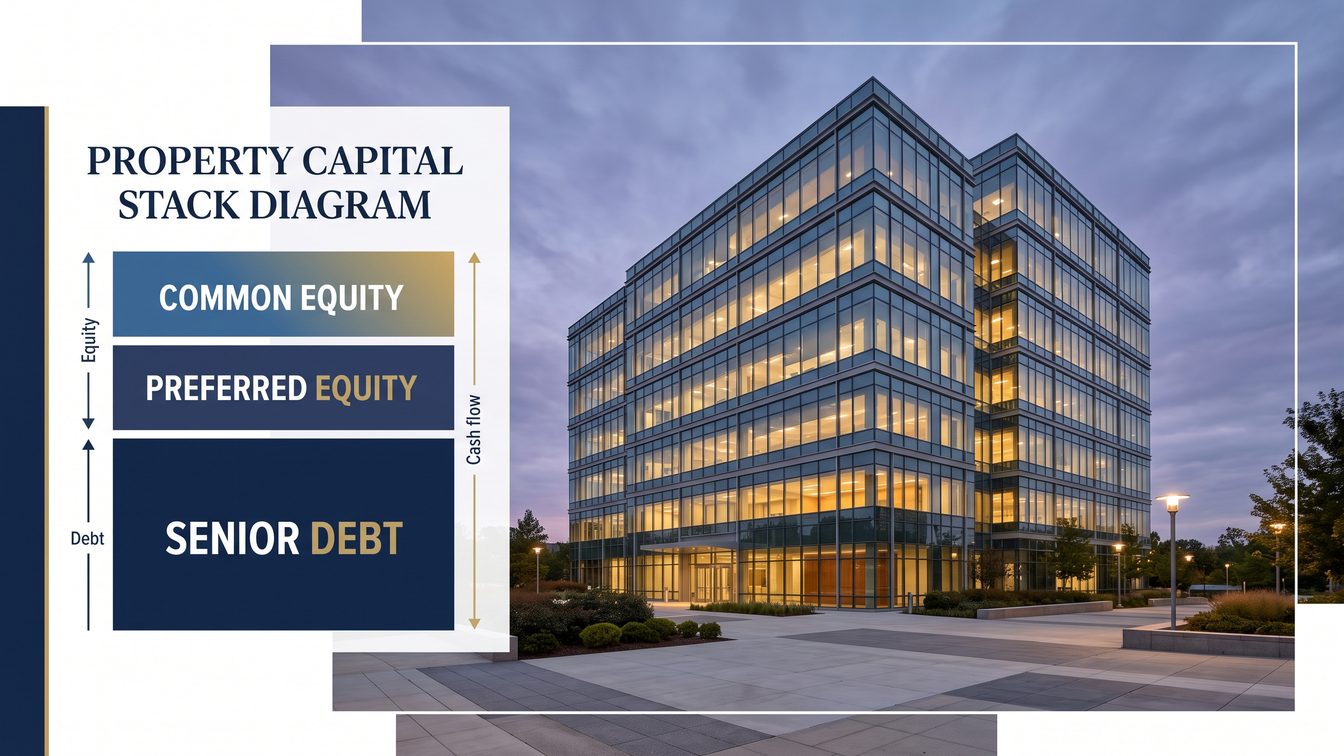
Preferred equity real estate: how it works in deals
October 2, 2026
Preferred equity sits between debt and common equity in the real estate capital stack. Here is what it costs, how remedies work, and when operators use it.
Read More
SBIC loan: how government leverage works for PE
September 14, 2026
The SBIC program has deployed over $67 billion since 1958. Here is how government leverage works for lower-middle-market operators and fund managers.
Read More
Direct lending funds: how private credit works
September 13, 2026
Direct lending funds lend where banks won't. Here's how they work, what returns they target, and what borrowers and investors should know.
Read More
Family office private equity: how they invest
September 13, 2026
Family offices now drive 77% of North American direct PE investing. Here is how they allocate capital and what it means for lower middle market sellers.
Read More
Preferred equity in private equity: how it works
September 10, 2026
Preferred equity sits between debt and common equity in PE deals. Here is what it means for founders, LPs, and operators before signing a term sheet.
Read More
Buying a staffing agency: what operators need to know
September 7, 2026
Staffing agencies sell at a 2.7x multiple and qualify for SBA 7(a) financing. Here is what ETA operators must verify before closing on a staffing firm.
Read More
Co-investment in private equity: what LPs need to know
September 3, 2026
Co-investment gives LPs direct exposure to one PE deal at zero carried interest. Here is how the structure works and why it matters for returns.
Read More
Search fund returns: what the data actually shows
September 3, 2026
Stanford reports 35.1% IRR. Real LP portfolios show 2.5x gross MOIC. Here is what search fund return data actually means for operators and investors.
Read More
Business valuation multiples by industry
August 31, 2026
What buyers actually pay by industry in 2026: from 2.4x EBITDA for restaurants to 12x for SaaS. IBBA, BizBuySell, and Stanford data for ETA operators.
Read More
What is a take-private transaction in private equity
August 29, 2026
Private equity firms use take-private transactions to acquire public companies, delist shares, and operate free from quarterly earnings pressure.
Read More
EBITDA multiple: the number that sets your deal price
August 28, 2026
EBITDA multiple explained: the formula, current deal-size benchmarks, and what drives valuations when operators buy or sell.
Read More
Infrastructure private equity: what it is and how it works
August 26, 2026
Infrastructure PE manages $1.3T in assets. Learn what qualifies, how deals are structured, and what 8-16% net IRR looks like in practice.
Read More
Owner-operator salary: what ETA operators actually earn
August 26, 2026
The median first-year ETA operator salary is $190,000. The equity at exit averages $5.7M. Here is what the full compensation stack actually looks like.
Read More
Venture debt: what it is and when operators use it
August 25, 2026
Venture debt lets growth-stage companies borrow against investor backing, not cash flow. Here is how the structure works and when it makes sense.
Read More
Selling a service business: what the market pays
August 24, 2026
Most retiring boomers own service businesses. Here is what buyers pay and why the selling window is narrowing.
Read More
Evergreen fund: what it is and who should use one
August 21, 2026
An evergreen fund has no fixed end date. Capital stays continuously invested, recycles into new deals, and allows periodic LP redemptions.
Read More
Buying an accounting practice: what the numbers show
August 21, 2026
Most ETA operators walk past accounting practices. That is a mistake. Here is what the valuation numbers actually show and how to buy one correctly.
Read More
Two and twenty: how the PE fee structure works
August 20, 2026
According to HFR's 2023 industry data , the average hedge fund management fee has fallen from the classic 2% standard to roughly 1.4%, with...
Read More
SDE vs EBITDA: which metric sets your acquisition price
August 20, 2026
SDE vs EBITDA: two metrics that value the same business at dramatically different prices. Learn which one drives your acquisition offer and when.
Read More
The search fund primer: what Stanford's data shows
August 19, 2026
Stanford search fund primer covers the model behind 35.1% IRR and 4.5x ROI. Key data from 681 funds since 1984 on acquisitions, operator pay, and returns.
Read More
Private equity deal structure: how LMM deals get built
August 18, 2026
Private equity deal structure stacks senior debt, seller notes, and fund equity into layers every operator should understand before signing.
Read More
Private equity fund of funds: what LPs need to know
August 14, 2026
A private equity fund of funds pools capital across multiple PE funds. Fee structure, return expectations, and when a direct LP commitment wins instead.
Read More
Fundless sponsor: what it is and how the money works
August 14, 2026
A fundless sponsor finds the deal first, then raises equity for each acquisition. Here is how the economics work and how it differs from a search fund.
Read More
General partner vs limited partner: how PE funds work
August 13, 2026
The general partner runs the fund and earns 2% fees plus 20% carry. The limited partner provides capital with liability capped at the committed amount.
Read More
Buy a business with no money: the honest math
August 13, 2026
Pure no-money-down business acquisitions are largely a myth after June 2025 SBA rule changes. Here is what capital-light acquisition actually requires.
Read More
Private equity waterfall: how distributions work
August 12, 2026
The private equity waterfall is a four-tier payout sequence that determines who gets paid, when, and in what amount. Here is how it works.
Read More
Private equity IRR: what it means for deal buyers
August 11, 2026
IRR is how PE firms measure annualized returns. Here is what it actually means, where it fails, and how operators use it to underwrite deals.
Read More
How acquisition financing works for ETA buyers
August 10, 2026
How ETA and search fund buyers build the capital stack: SBA 7(a) senior debt, seller notes, and equity. Numbers and traps to know before signing an LOI.
Read More
What is rollover equity in a PE deal
August 9, 2026
Rollover equity appears in 75-85% of LMM PE deals. Here is what it is, how it works, and what veteran business owners should negotiate.
Read More
What is an LBO model: a guide for operators
August 9, 2026
An LBO model shows whether an acquisition makes sense before you sign. Covers entry multiples, debt ratios, exit returns, and common operator mistakes.
Read More
The private equity J-curve: what it means for LPs
August 6, 2026
Why private equity funds show negative returns in early years, what drives the J-curve, and the metrics LPs should use to evaluate performance.
Read More
How the independent sponsor model works
August 5, 2026
The independent sponsor model is the deal-first path to buying a business. No committed fund, no management fees, just carry. Here is how it works.
Read More
Silver tsunami small business: the buyer's window
August 4, 2026
McKinsey identified $5 trillion in viable small businesses transferring this decade. Why 92% close instead of sell, and what it means for buyers.
Read More
Private equity roll-up: the LMM value creation playbook
August 4, 2026
A PE roll-up buys fragmented companies and combines them into a higher-multiple platform. How the math works and why integration determines success.
Read More
Owner-operator business: what it is and why buyers want one
August 2, 2026
An owner-operator business sells at 30-50% below comparable companies. For the right ETA buyer, that discount is not a red flag. It is the deal.
Read More
Capital calls in private equity: what every LP must know
August 1, 2026
Capital calls are legally binding draws on committed capital. Miss the wire and your interest can be sold at a 50% discount. Here's how they work.
Read More
MOIC in private equity: what it means and why it matters
July 31, 2026
MOIC measures how many times a private equity investment returned its initial capital. Learn the formula, benchmarks, and how it differs from IRR.
Read More
Boomer business exit planning: why most owners aren't ready
July 29, 2026
52.3% of U.S. employer-businesses are owned by people 55 or older. Most want to exit. Most aren't ready. Here's what the succession gap costs.
Read More
Private equity secondaries: how the liquidity market works
July 29, 2026
The PE secondary market hit $233B in 2025. LP-led and GP-led transactions give investors options before a fund ends. Here is how both sides work.
Read More
Private equity value creation: three levers that matter
July 26, 2026
Private equity value creation in the lower-middle-market runs on three operational levers. Here is how disciplined operators execute each one.
Read More
Capital gains tax on a business sale: what owners keep
July 25, 2026
Federal capital gains tax on a business sale peaks at 23.8%. What you keep depends on asset classification, deal structure, and your state.
Read More
How to buy a small business with no money
July 25, 2026
You don't need $1M to buy a business. SBA 7(a) loans, seller notes, and search fund structures let operators close $2M deals for $200K out of pocket.
Read More
Growth equity vs private equity: what differs
July 24, 2026
Growth equity: minority stake, no leverage. Buyout PE: control with 50-65% debt. Both return ~15% net IRR. What the difference means for operators.
Read More
Hurdle rate in private equity: preferred return explained
July 23, 2026
The PE hurdle rate is the LP return floor before GPs earn carry. Why 8% became standard, hard vs soft hurdles, and what carry pressure means for sellers.
Read More
How to value a small business for sale
July 23, 2026
Most sellers find their price is wrong when it costs them. SDE vs EBITDA, sector multiples, and how to know your number before listing.
Read More
Acquisition entrepreneurship: buying beats building
July 22, 2026
Most startups fail. Acquired businesses survive. Stanford's 2026 Search Fund Study shows 33.9% IRR and 4.75x ROI. Buying beats building for most operators.
Read More
How to buy a business: the acquisition process step by step
July 21, 2026
How to buy a business in 6 stages. From sourcing to closing, the acquisition process takes 6-12 months. Here is the map, with the numbers that matter.
Read More
Micro private equity: what it is and how it works
July 20, 2026
Micro private equity targets businesses under $5M that institutional PE ignores. Search fund operators have delivered 35.1% IRR since 1984.
Read More
What is a search fund: the operator's guide
July 19, 2026
A search fund is the fastest path from employee to owner-CEO. Here is how the model works, what Stanford data shows, and why veterans are built for this.
Read More
Permanent equity: what it means and who it's built for
July 18, 2026
Permanent equity removes the exit clock. No 10-year fund pressure, no forced sale. Here is what it means for operators and sellers.
Read More
Private equity carried interest: how GPs get paid
July 16, 2026
Carried interest is the 20% profit share PE fund managers earn through the distribution waterfall. Here's how carry, hurdle rates, and clawbacks work.
Read More
Search fund model: how it actually works
July 16, 2026
The search fund model: two stages, one acquisition, and a 35.1% IRR since 1984. How capital, equity, and operator economics actually work.
Read More
Search fund SBA loan: what the 2025 rules changed
July 15, 2026
The 2025 SBA rule change eliminated the minority foreign-ownership pathway. Every ETA buyer needs to understand what this means for their capital stack.
Read More
Search fund deal structure: the capital stack
July 14, 2026
Every search fund acquisition stacks senior debt, a seller note, and equity. Here is how the structure works and what breaks deals at the finish line.
Read More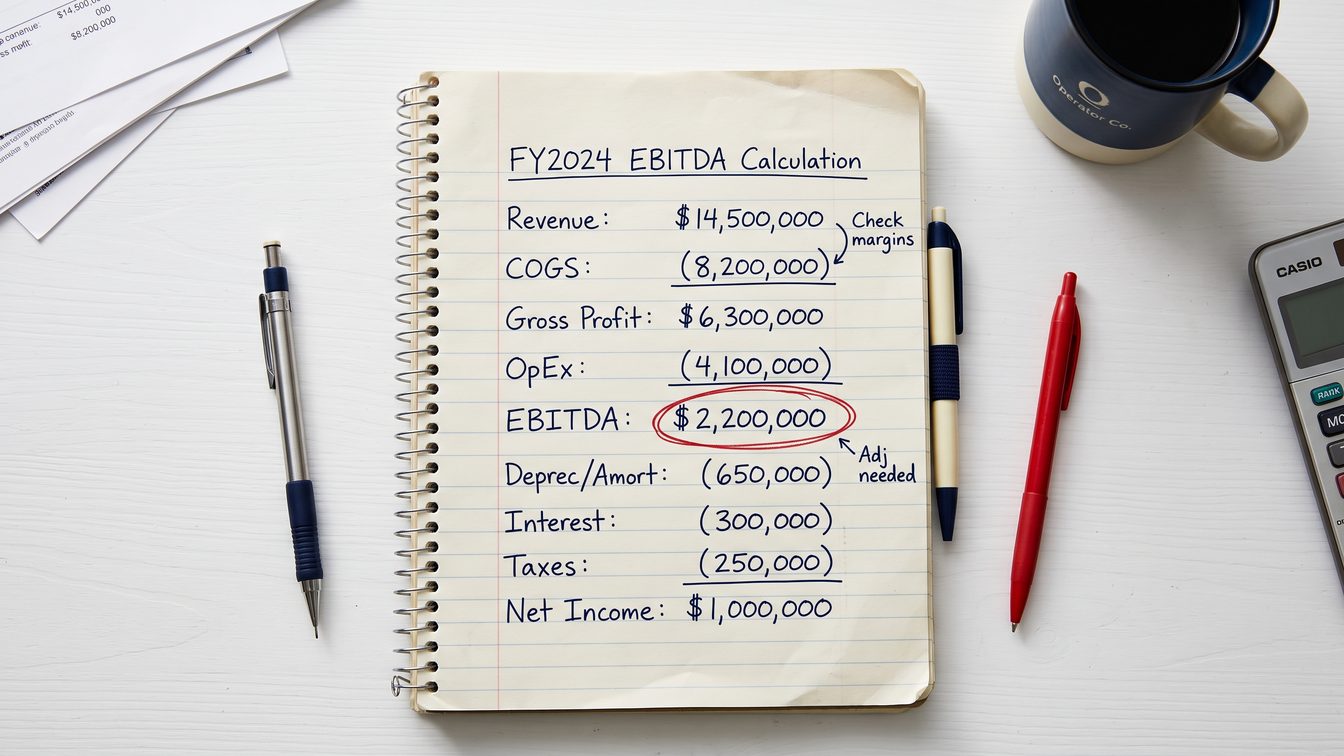
Search fund deal size: picking the right EBITDA target
July 13, 2026
Stanford data: median search fund acquisition had $2.2M EBITDA. Yale research shows each $500K of additional EBITDA adds 32-65% to operator proceeds.
Read More
Search fund operator compensation: what operators actually earn
July 12, 2026
Search fund operators earn $139K during the search, $190K as CEO. Exit equity averages $5.7M. Here is what the full compensation model actually shows.
Read More
Search fund quality of earnings: what the QoE shows
July 11, 2026
A quality of earnings report is not optional in a search fund deal. It is the one document that validates whether the EBITDA you are buying is real.
Read More
Continuation fund in private equity: what it means for LPs
July 9, 2026
What continuation funds are, why GPs use them, and what LPs and business owners should know. $95.8B in continuation fund volume in 2025.
Read More
What a PE operating partner actually does
July 7, 2026
PE operating partners are how serious funds create value post-acquisition. Here's what they actually do in the lower middle market.
Read More
Rollover equity in acquisitions: what operators need to know
July 7, 2026
Rollover equity aligns sellers with ETA buyers. The percentage is not the fight — cap table position determines what that rollover is worth at exit.
Read More
How to sell your business to a search fund
July 6, 2026
Selling to a search fund means trading headline price for a committed operator-CEO and fast close. What to know before evaluating an offer.
Read More
Search fund hold period: what the data shows
July 5, 2026
The Stanford 2024 Search Fund Study puts the average hold period at 7.8 years. Here is what drives that timeline and what it means for LPs and operators.
Read More
Boomer business succession: what the data reveals
July 5, 2026
McKinsey data shows 92% of boomer businesses close instead of sell. Here’s what the succession wave numbers mean for operators.
Read More
Search fund debt covenants: what operators need to know
July 4, 2026
SBA 7(a) loans carry no financial covenants. Conventional debt does. Here is what search fund operators need to know before signing.
Read More
Search fund value creation plan: what the data shows
July 2, 2026
Yale's 2026 research shows EBITDA margins shrink post-acquisition. Multiple expansion drives ETA returns. How to build a plan investors trust.
Read MoreSearch fund economics: how the model works
July 1, 2026
The 2024 Stanford study shows 35% IRR and 5.5x MOIC. Here's how search fund economics actually work — step-up, waterfall, and what you own.
Read MoreTraditional vs self-funded search fund: which model fits you
June 30, 2026
Stanford 2024: 94 traditional search funds launched. Self-funded routes keep 60-80% equity. How to choose the right ETA model for your acquisition.
Read MoreSearch fund preferred return: what operators miss
June 28, 2026
Most search fund operators underestimate how preferred returns affect their equity. Here is the math behind who gets paid first.
Read MoreSearch fund accelerators: what operators need to know
June 26, 2026
A search fund accelerator trades equity for capital and infrastructure. Here is how the capital structure works and when it makes sense for ETA operators.
Read MorePrivate equity co-investment: how it works
June 25, 2026
The GP calls with a direct deal. No management fee. Reduced carry. Here is what private equity co-investment is and what to negotiate before you wire.
Read MoreHow search fund carry works: the math operators miss
June 25, 2026
Search fund carry gives operators 20-30% equity. But most searchers underestimate what it’s actually worth. Here is the three-tranche model explained.
Read MoreHow long does it take to sell a business?
June 25, 2026
IBBA data shows 7-9 months average. Boomer sellers face a supply surge that changes the math. Here is what actually moves the timeline.
Read MoreSearch fund cap table: how the equity structure works
June 24, 2026
Search fund cap tables split equity between preferred investors and a vesting operator stake. Here is exactly how the numbers work at acquisition and exit.
Read MoreDry powder in private equity: what the pile means for deals
June 23, 2026
PE firms hold $1.2 trillion in undeployed buyout capital. Here's what that dry powder means for sellers, LPs, and lower middle market operators.
Read MoreSearch fund financial model: how searchers evaluate a deal
June 23, 2026
Most searchers confuse the operating model with the financial model. Here is how to build both and what investors need to see.
Read MoreSearch fund acquisition financing: how the numbers stack
June 22, 2026
The median search fund acquisition closes at $14.4M. Here is how the capital stack works: SBA 7(a), seller note, and buyer equity explained.
Read MoreEBITDA multiple expansion in lower middle market PE
June 21, 2026
EBITDA multiple expansion makes up 32% of PE returns. Here's how lower middle market firms manufacture it and why operators matter more than leverage.
Read MoreRecurring revenue in search fund acquisitions
June 20, 2026
Recurring revenue is the single biggest valuation driver in LMM acquisitions. Here is how to define it, price it, and spot when it is fake.
Read MoreLimited partner in private equity: what LPs commit to
June 19, 2026
What a limited partner actually commits to in a PE fund: LP/GP structure, 2-and-20 economics, capital calls, returns data, and due diligence.
Read MoreSearch fund operator equity: what carry is actually worth
June 17, 2026
Most search fund operators focus on carry percentage. The number that matters is the waterfall. Here is the math on what operator equity actually nets.
Read More
Search fund management fee: what searchers actually earn
June 16, 2026
What search fund investors pay during the search phase, per the 2024 Stanford study. Averages, structures, and what to negotiate.
Read More
How seller financing works in business acquisitions
June 13, 2026
Seller financing closes 45% of ETA deals. Learn the capital stack structure, 2025 SBA standby rules, and how to negotiate the note before signing.
Read More
Management buyout: how it works and who wins
June 11, 2026
A management buyout lets the operators own what they run. Here is how the capital stack works, what PE sponsors require, and what kills most deals.
Read More
Mezzanine financing in PE: how it bridges the gap
June 9, 2026
Mezzanine financing fills the gap between senior debt and equity in PE deals. Here is what it costs in 2026 and what business owners need to know.
Read MoreSearch fund investors: who backs the search
June 9, 2026
Search fund investors provide $400K-$500K in search capital and join your board post-close. Here is who they are, what they look for, and how to find them.
Read MoreSearch fund equity split: how the numbers divide
June 7, 2026
How search fund equity actually divides: the three-tranche structure, step-up mechanics, waterfall, and 2024 Stanford data on what operators earn.
Read MoreSearch fund acquisition thesis: how to build yours
June 4, 2026
Before you talk to a single business owner, you need to know what you are looking for and why you are the right person to own it. That is the acquisition t
Read MoreSmall business succession planning: what 60% of owners skip
June 3, 2026
92% of small business exits are closures. Only 5% become sales. Here is what succession planning actually requires and why timing matters.
Read MoreRaising search fund capital: what the process looks like
June 1, 2026
94 search funds launched in 2023. Every one raised capital before finding a deal. Here's how the two-round structure actually works.
Read MoreSeller financing in acquisitions: what operators know
May 29, 2026
Seller notes are in 60-80% of deals. Here’s how the structure works and what the June 2025 SBA changes mean for ETA buyers and self-funded searchers.
Read MoreManagement buyout: how the deal structure works
May 28, 2026
A management buyout lets an existing team acquire the business they run. Here's how the capital stack and deal structure actually work.
Read MoreSilver tsunami business: the succession gap
May 27, 2026
10 million boomer-owned businesses need new owners this decade. Most won't find a buyer. Here's what the Silver Tsunami means for operators and sellers.
Read MoreSearch fund investor returns: what the data shows
May 25, 2026
Stanford's 2024 study covers 681 US search funds. Pre-tax IRR: 35.1%, ROIC: 4.5x. Here's what drives those returns and what the risks actually are.
Read More
Search fund salary: what searchers actually earn
May 23, 2026
What does a search fund actually pay? The 2024 Stanford GSB data answers the question most searchers never ask at the conference.
Read MorePrivate equity fund structure: how the money works
May 21, 2026
The mechanics of a PE fund — blind pool, LP/GP roles, management fees, carried interest, capital calls, hold periods, and the J-curve — explained without guru framing.
Read More
Search fund success rate — what the data says
May 20, 2026
Four decades of Stanford and IESE data show 35% IRR, 4.5x investor MoIC, and a 60% acquisition close rate. Here is what the numbers actually mean.
Read More
How to start a search fund
May 19, 2026
The step-by-step process for raising search capital, sourcing your acquisition, and closing a deal as an operator-owner.
Read More
Self-funded search fund: what the math actually shows
May 19, 2026
Self-funded search funds let operators buy businesses using SBA debt and keep 60–80% of equity. Here's how the model works and who it fits.
Read More
Baby boomer business succession: the 70% problem
May 17, 2026
Six million boomer-owned businesses face ownership transitions by 2035. Ninety-two percent will close instead of sell. Here's why — and what changes that.
Read More
Lower middle market private equity: the alpha story
May 16, 2026
LMM PE outperforms large-cap by 400–500 bps annually. Here’s the structural reason — and what it means for business owners and LPs.
Read More
Search fund vs private equity: what operators choose
May 15, 2026
Search funds give operators 25–30% direct equity. PE gives carried interest. For veteran operators considering ETA, the difference is everything.
Read MoreReady to Join the Mission?
Whether you're an investor, veteran family, or business owner — there's a place for you at Patriot Growth Capital.