Over 400 independent sponsors operate in the U.S. lower middle market today, up from fewer than 100 a decade ago. Most business owners have never heard of them. That's the edge.
An independent sponsor (also called a fundless sponsor) is a private equity professional who sources and negotiates acquisitions without a committed pool of capital. Instead of raising a blind pool of money from institutional investors for five to seven years, the independent sponsor finds the deal first, then brings in equity partners for that specific transaction, drawn from family offices, private credit funds, or institutional co-investors.
It flips the traditional PE sequence. Committed funds raise capital first, then deploy it. Independent sponsors deploy conviction first, then raise capital around it.
Why That Distinction Matters
Raising a committed fund takes 18 to 24 months and costs $500,000 to $1.5 million in legal, accounting, and travel before the first management fee arrives. Most PE professionals who attempt it fail on the first attempt. The independent sponsor model cuts that timeline to zero. It lets a capable operator or dealmaker focus immediately on what they're actually good at: finding businesses, underwriting risk, and creating value post-close.
The trade-off is uncertainty. Each deal requires a fresh capital raise. There's no deployed-capital base generating management fees between transactions. And capital partners (the people writing the equity check) take on deal-specific risk rather than the portfolio diversification that committed funds offer.
For the right sponsor in the right market, those trade-offs favor the model. The lower middle market is that market.
The Economics: Three Income Streams
The independent sponsor generates income from three sources. Understanding them tells you how their incentives are structured and whether those incentives align with yours.
Deal fee at close. Typically 1% to 5% of enterprise value, paid from deal proceeds at closing. On a $10 million deal, that's $100,000 to $500,000. This fee compensates the sponsor for sourcing the opportunity, underwriting the business, and managing the transaction process. It's paid once, at close. Not before.
Management fee during hold. A modest ongoing fee paid by the portfolio company, covering oversight, reporting, and operational support during the hold period. Unlike committed fund structures, this fee isn't calculated on committed capital sitting idle. It's tied to the specific deal and the specific business.
Carried interest. The sponsor receives 15% to 25% of profits above a preferred return, typically 8%, to the capital partners. Proven sponsors with track records can negotiate closer to 20% carry. Less-established sponsors often accept 10% to 15% carry with tiered structures that increase after capital partners exceed certain return thresholds.
The carry is the prize. It only pays out after capital partners receive their preferred return. That structure is the alignment mechanism: the sponsor generates real income only if the deal creates real value.
Where Independent Sponsors Compete
The sweet spot is businesses with $1 million to $5 million in EBITDA, enterprise values between $10 million and $30 million. Below $5 million in enterprise value, the carry economics rarely justify the deal complexity. Above $50 million, institutional capital partners start preferring committed funds with portfolio diversification and longer track records.
The $10 million to $30 million range is where independent sponsors have a genuine edge: less competition from large PE funds, more founders who prioritize relationships over auction price, and operating expertise that moves the needle on businesses that don't need a consulting firm. They need an owner-operator.
Berkman Woods modeled a representative deal recently: a business with $5 million in revenue and $1.2 million in EBITDA, purchased at 4.6x for a $5.5 million total price. SBA 7(a) debt covered $4 million of that, with $1.5 million in equity from the sponsor and capital partners combined. That structure is common in the lower middle market. It's not unusual to see SBA financing carry 60% to 70% of the deal.
This is also the market where committed lower middle market PE funds operate, but their minimum check sizes and portfolio mandates leave significant deal flow uncovered. Independent sponsors fill that gap.
The Capital Stack
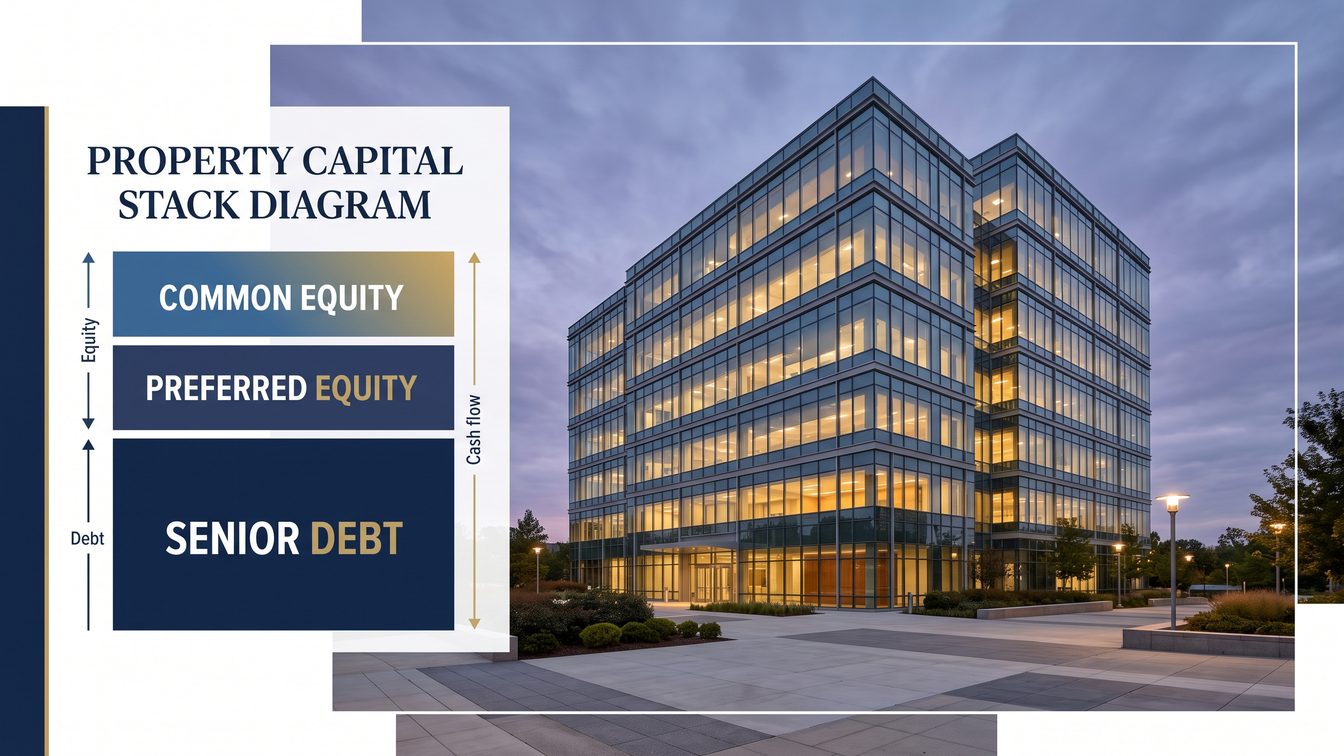
The independent sponsor assembles debt and equity for each deal independently. Debt typically represents 50% to 60% of the capital structure. The 2024 McGuireWoods independent sponsor market survey identified family offices as the most common equity source (27%), followed by mezzanine/equity funds (25%) and private equity funds (19%).
Four debt sources appear most frequently:
Senior bank debt. Rates around 4%, but covenant requirements carry operational risk. One bad quarter, one covenant violation, and a bank can sweep cash flow and freeze decisions. For businesses with predictable, recurring revenue, senior bank debt is often the right first call. For businesses with growth variability, the covenants are a trap.
Mezzanine debt. Rates of 10% to 14% plus equity warrants. More expensive, but more flexible. The equity warrants mean the mezzanine lender participates in the upside. That is the price of flexibility.
SBA financing. The Small Business Administration's 7(a) program offers below-market rates for qualifying acquisitions, often enabling more debt capacity than conventional bank financing. The downside is process: SBA deals take longer and require personal guarantees from the sponsor and key operators.
SBIC debt. Small Business Investment Company debt provides long-term, patient capital specifically designed for lower middle market situations. Interest rates and structures vary, but SBIC fills capital stack gaps that senior bank debt won't touch.
What Business Sellers Need to Know
If an independent sponsor approaches your business, they are not backed by a committed fund. They will need to raise equity from capital partners after signing a letter of intent. That introduces execution risk. A committed fund can write a check from day one.
The trade-offs cut both ways. Independent sponsors are often faster to close on valuation and terms because they're not constrained by fund investment mandates. They take direct interest in operations because their carry depends on post-close value creation. And because they're accessing off-market transactions rather than running competitive auction processes, sellers who want a relationship-driven deal frequently find the independent sponsor model preferable.
The key question to ask any independent sponsor: who are your capital partners, and have they funded deals together before? A sponsor with committed relationships at two or three family offices who have already co-invested is operationally equivalent to a small committed fund. A sponsor with a spreadsheet of cold contacts is not.
Track record matters. Pedigree matters. The lower middle market is a small world and reputations travel fast. If a sponsor can't point to completed deals with named capital partners, that's the signal you need.
What Capital Partners Need to Know
The independent sponsor model offers deal-level transparency that committed fund structures don't. You know the business, the price, and the investment thesis before you wire funds. There's no blind pool. No management fee on capital sitting idle between deployments. No portfolio average masking underperformance in a single company.
The downside is concentration risk. You're writing a check into a single business. If that business has two bad years, you're fully exposed to it. Diversification across multiple independent sponsor deals, working with several sponsors across different transactions and industries, is the practical risk management approach.
The independent sponsor's economics also matter here. A sponsor taking 25% carry with a minimal preferred return is structuring terms closer to a committed fund. A sponsor taking 15% carry above an 8% preferred return, with skin in the game at 3% to 5% of the equity, is structuring terms that align their upside with yours. Know the difference before you commit.
The Bottom Line
The independent sponsor model works when three conditions are in place: the sponsor has genuine sourcing capability and operational expertise, the deal falls in the lower middle market where large funds won't compete, and the capital partners trust the sponsor enough to move quickly when an opportunity appears.
Whether you're a business owner weighing an exit, an accredited investor considering a co-investment, or an operator thinking about the acquisition path, the structure matters less than the sponsor behind it. The independent sponsor model is not a shortcut. It's a different vehicle for the same destination: buying a good business, running it better, and selling it for more than you paid.
The math is the same. The accountability is just more direct.
Frequently Asked Questions
What makes an independent sponsor different from a traditional private equity firm?
An independent sponsor finds the deal first, then raises equity capital from family offices or co-investors for that specific transaction. A traditional committed fund raises a blind pool of capital first, then deploys it over several years. The independent sponsor model skips the 18-to-24-month fund raise and lets the operator focus immediately on finding and buying businesses.
How does an independent sponsor earn money on a deal?
Independent sponsors earn income from three sources: a deal fee at close of typically 1% to 5% of enterprise value, a management fee paid by the portfolio company during the hold period, and carried interest of 15% to 25% of profits above the capital partners' preferred return. The carry is the primary prize and only pays out after investors clear their preferred return threshold.
What question should a business seller ask an independent sponsor before signing a letter of intent?
Ask who the capital partners are and whether they have funded deals together before. A sponsor with committed relationships at established family offices who have already co-invested is operationally equivalent to a small committed fund. A sponsor with a list of cold contacts is not, and that distinction carries real execution risk for the seller.
What is the typical deal size where independent sponsors have a competitive edge?
Independent sponsors are most competitive in businesses with one million to five million dollars in EBITDA and enterprise values between ten million and thirty million dollars. Below five million dollars in enterprise value the carry economics rarely justify the deal complexity, and above fifty million dollars institutional capital partners prefer committed funds. Large PE funds mostly leave this range uncovered, which gives independent sponsors less competition.