The SBA backed roughly 70,242 business acquisition loans in FY2024, averaging $443,000 each (approximately $31 billion total). That is how many people bought a business last year using government-backed capital. Most of them had never done it before. Most of them figured it out. You can too. But figuring it out without a map costs time, money, and deals.
This is the map.
Buying a business runs in six stages: define your target, source it, get it under a letter of intent, run due diligence, arrange financing, and close. The full process takes 6 to 12 months. The LOI-to-close phase alone runs 60 to 120 days in most transactions. Due diligence is where most deals break — roughly 40% of deals under LOI fail to close, and diligence issues are the primary cause.
Each stage has specific deliverables. Miss the sequence and you will pay for it at the closing table, or lose the deal before you get there.
Stage 1: Define the target before you start looking
Most first-time buyers spend months looking at businesses before they know what they are actually looking for. That is expensive. Define your criteria before you call a single broker.
The core parameters are industry, geography, revenue range, and owner-dependence level. Beyond those, you need to know your financing capacity before you evaluate a single deal. How much equity can you deploy? What DSCR (debt service coverage ratio) does a target need to support SBA debt? What does your personal guarantee exposure look like?
SBA lenders require a DSCR of at least 1.25x. That means the business's seller discretionary earnings (SDE) must be at least 125% of the annual debt payment. On a $1 million acquisition with a 10-year SBA loan at 11%, the annual payment is roughly $123,600. The business needs $154,500 in SDE at minimum. Before you look at anything, run that math on your target price range.
Most first-time buyers target businesses between $200,000 and $2 million in enterprise value. According to BizBuySell's 2025 Insight Report, the median sale price for small businesses was $350,000, with 68% of transactions falling between $100,000 and $1 million. That is the buying market. Know where you sit in it before you engage.
Stage 2: Source the deal
Deals come from brokers, direct owner outreach, and online marketplaces. Brokers represent the seller and earn a commission on close. Work with them; they control deal flow. Verify everything they tell you independently.
Direct outreach to owners produces less competition and more negotiating room. The tradeoff is time and volume. Search fund operators do this for 12 to 18 months. BizBuySell, Acquire.com, and Axial are the main platforms. For lower-middle-market deals above $1 million in EBITDA, investment banks are the more appropriate channel.
Stage 3: Sign the letter of intent
The letter of intent (LOI) is the term sheet. It sets the price, the deal structure (asset vs. stock purchase), the exclusivity period, and the contingencies. Most LOI terms are non-binding. The exclusivity clause is binding. The terms you agree to in the LOI are the starting point for every negotiation that follows.
Get your M&A attorney to review the LOI before it goes to the seller. Expect $8,000 to $25,000 in legal fees for a deal under $2 million. That is not optional. A clean LOI covers price, deal structure, working capital target, transition requirements, non-compete scope, and a 45 to 60 day exclusivity period. Without a binding exclusivity clause, the seller can market to other buyers while you are spending money on diligence.
On structure: sellers prefer stock sales (capital gains treatment). Buyers prefer asset sales (step-up in basis, no inherited liabilities). Know your position before the LOI conversation.
Stage 4: Due diligence
Due diligence is where you prove or disprove everything the seller told you. It runs on three parallel tracks: financial, legal, and operational.
Financial diligence verifies the cash flow. You reconcile the tax returns to the P&L statements to the bank deposits. Then you test every add-back. Sellers regularly inflate SDE by 15% to 50% through soft add-backs: expenses called personal or one-time that are not. The quality of earnings review is where you separate real earnings from claimed earnings.
For deals over $2 million, order a formal Quality of Earnings (QoE) report from a transaction CPA. QoE reports typically cost $10,000 to $30,000. For deals above $5 million, SBA lenders often require one. For smaller deals, you run the reconciliation yourself. Either way, the work is the same: trust nothing the seller tells you about earnings until you have verified it against third-party source data.
Legal diligence covers the lease, the licenses, the contracts, the employment agreements, and any litigation. A business with a 10-year revenue history can have a lot of hidden legal exposure: an expiring lease, a key supplier agreement that does not transfer, regulatory licenses tied to the owner personally. These are deal-killers or price-reducers. Find them before you close.
Operational diligence validates that the revenue is real and transferable. Customer concentration is the primary risk: if 30% of revenue runs through one customer, the business value is contingent on that relationship. Understand supplier dependence and whether the business can survive the owner leaving. That last question is the one that determines whether you are buying a real business or buying a job.
The typical due diligence period runs 6 to 12 weeks. Most time lost in diligence is not from finding problems; it is from buyers who were not organized when the process started. Have your document request list ready on day one.
Stage 5: Arrange the financing
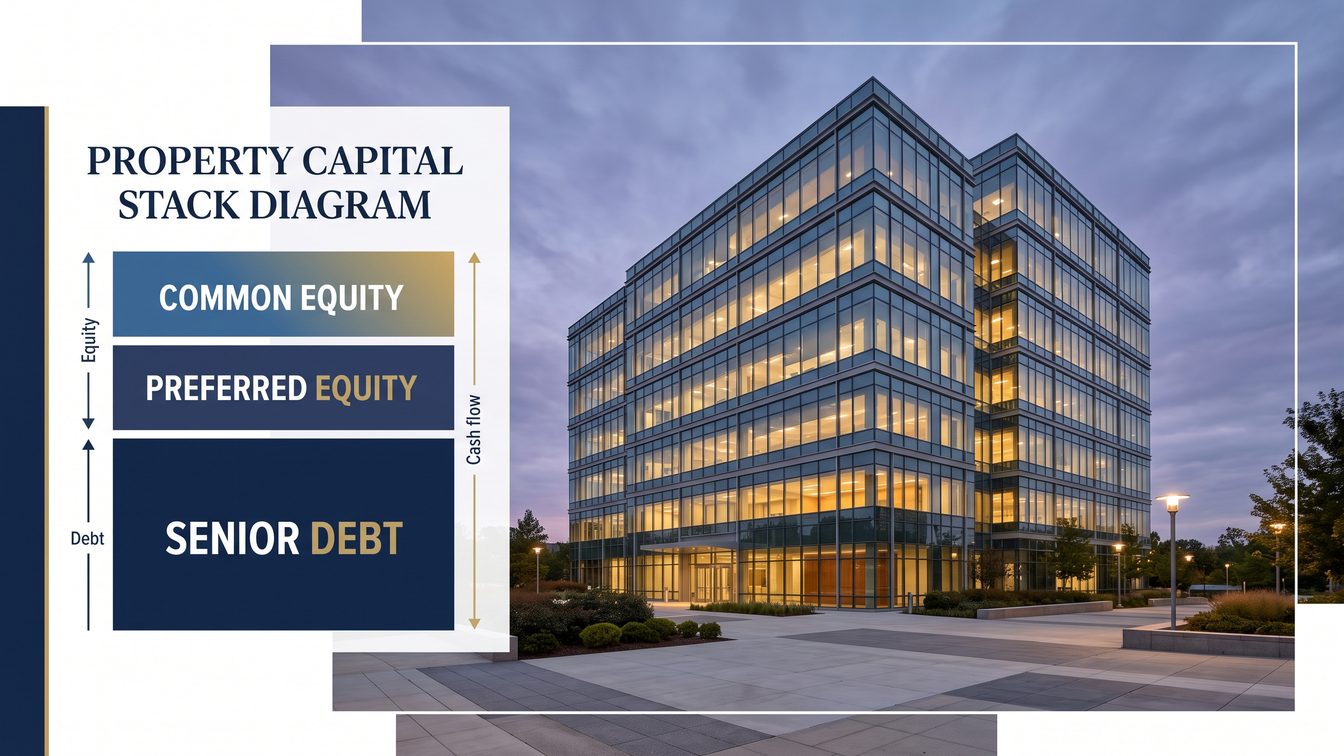
Most small business acquisitions are financed through three sources stacked together: SBA loan, seller note, and buyer equity. Understanding how they layer is foundational to deal structuring.
The SBA 7(a) program is the dominant financing vehicle for acquisitions under $5 million. The program provides government-backed loans with a 10-year repayment term, requiring a minimum 10% equity injection from the buyer, with at least 5% required to be genuine non-borrowed cash (per SBA SOP 50 10 8, effective June 1, 2025). A seller note can cover the remaining 5%, but only if it is on full standby (no principal, no interest) for the full life of the SBA loan.
A sample structure on a $1 million acquisition:
- Buyer equity: $100,000 (10%, minimum $50,000 genuine cash)
- SBA 7(a) loan: $750,000 (75%, 10-year term, ~11%)
- Seller note: $150,000 (15%, full standby, 10 years)
SBA lenders require a 680+ credit score, demonstrated management ability, and 3 to 6 months of post-close cash reserves. Approval takes 45 to 90 days. Start the SBA package the day after the LOI is signed. The lender's underwriting process runs concurrently with due diligence.
Seller financing signals confidence. A seller carrying a note is betting their deferred payout on the business performing after you take over. A seller who refuses to carry any paper typically does not believe their own projections.
Stage 6: Close
Once diligence is complete and the purchase agreement is negotiated, you close. A clean acquisition closes in 60 to 90 days from signed LOI. The 2025 median time-to-close per BizBuySell was 170 days, accounting for deals that ran long on diligence, financing, or legal work.
Closing costs run 5% to 10% of purchase price beyond the down payment. Plan for legal fees, lender fees (the SBA guaranty fee is usually financed into the loan), QoE costs if ordered, and 3 to 6 months of working capital reserves post-close. The Asset Purchase Agreement is the definitive contract. Conditions to close include financing approval, landlord consent to the lease assignment, and regulatory approvals where applicable. Your attorney manages the closing checklist.
Where the process breaks
Three things kill deals after the LOI. First, the earnings do not survive diligence. The seller's SDE was built on add-backs that did not hold. Always assume you will find something. Plan your price-discovery conversation before diligence starts.
Second, the lease or a key contract does not transfer. Ask about lease terms and key contracts at the first meeting with the seller, not week 10 of a 12-week diligence window.
Third, financing falls through because the DSCR does not hold once normalized earnings replace stated earnings. Run that math before you sign the LOI. Do not commit to a price you cannot finance.
The PGC acquisition model
At Patriot Growth Capital, we focus on lower-middle-market businesses with $2 million to $10 million in EBITDA. Our operators go through a 60-month development pipeline. A Yale School of Management study of 155 exited ETA acquisitions found military CEOs achieved a 35% median IRR versus 24% for non-military operators. The habits the process demands are habits military service builds.
Get the acquisition process right and the business works. Get it wrong and the closing table is the beginning of your problems — not the end.
Contact Patriot Growth Capital if you are a seller evaluating an exit or a veteran operator ready to acquire.
Frequently Asked Questions
How long does it take to buy a business?
The full process from starting your search to closing typically takes 6 to 12 months. The LOI-to-close phase alone runs 60 to 120 days in most transactions. BizBuySell reported a median time-to-close of 170 days in 2025, which accounts for deals that extended due to due diligence issues, financing, or legal complexity.
How much money do you need to buy a business?
With SBA 7(a) financing, you need a minimum 10% equity injection of the total project cost, with at least 5% being genuine non-borrowed cash. For a $1 million acquisition, that means a minimum of $50,000 in real cash and $100,000 total equity. You also need 3 to 6 months of post-close operating reserves and funds for due diligence and legal fees (typically $25,000 to $60,000 for a deal under $2 million).
What is a letter of intent in a business acquisition?
A letter of intent (LOI) is the non-binding term sheet that sets the commercial framework for the deal: purchase price, deal structure (asset vs. stock), exclusivity period, contingencies, and key terms. The exclusivity clause is typically binding. The LOI is what gives you the time and rights to run due diligence without the seller shopping the deal to other buyers during that window.
What is due diligence when buying a business?
Due diligence is the 6 to 12-week investigation period after you sign an LOI. It runs on three tracks: financial (verifying the cash flow and testing add-backs), legal (reviewing leases, licenses, contracts, and any litigation), and operational (confirming revenue is real and transferable). Approximately 40% of deals that reach the LOI stage fail to close, and diligence issues are the primary reason.
Patriot Growth Capital does not provide legal or financial advice. This article is for educational purposes only. All acquisitions involve risk. Engage qualified legal and financial counsel before any business acquisition transaction.