According to BDO's 2026 private equity analysis, take-private activity reached its second-highest annual volume on record in 2025. U.S. LBO value hit approximately $397.5 billion that year, per Bain & Company's Private Equity Outlook 2026, driven heavily by public-to-private deals at a scale the industry had not seen in more than a decade.
When private-to-private deal flow gets expensive and competitive, PE firms go shopping on public exchanges. Understanding what a take-private transaction is and how it works tells you something important about where the industry is headed and why some of the largest companies in the world are disappearing from stock tickers.
What a Take-Private Transaction Is
A take-private transaction, also called a public-to-private or P2P deal, is what happens when a buyer acquires all outstanding shares of a publicly traded company, delists those shares from a stock exchange, and converts the business into a privately held company.
Once the deal closes, the company stops trading. Shareholders receive cash, typically at a premium to the current stock price. The SEC registration terminates. The company files a Form 15. And what was once a public corporation reporting to Wall Street every 90 days becomes a PE-owned portfolio company for the next four to seven years.
The reverse of this process is an IPO. A take-private runs that transaction in the opposite direction.
Why Private Equity Pursues Take-Private Deals
Three structural advantages drive take-private deal flow.
Less auction competition. Traditional private-to-private M&A runs through bankers, competitive bid processes, and sellers who have been coached by advisors to hold out for peak valuations. Take-privates do not work the same way. A PE firm can research a public target using SEC filings, build a detailed financial model before approaching management, and negotiate with a board rather than competing in a formal auction. That changes the deal economics.
Better information upfront. A public company files 10-Ks, 10-Qs, 8-Ks, earnings call transcripts, and proxy statements. A PE firm analyzing a sector can build a thesis on a public target with more precision than on a comparably sized private company that shows a banker-prepared CIM and a few years of tax returns. The diligence process starts the moment a PE analyst begins reading public filings.
Operational freedom post-close. Public companies answer to shareholders every 90 days. A management team under quarterly earnings pressure cannot restructure a product line, exit an unprofitable customer segment, or make a painful but necessary workforce reduction without market consequences. Once the company goes private, that constraint disappears. A PE-backed operator can execute a four-year transformation plan that no public company board would approve.
How the Deal Structure Works
Take-private transactions are structured one of two ways, both governed by state corporate law and SEC rules.
One-step merger. The PE firm and target board negotiate and sign a merger agreement. The target files a proxy statement on Schedule 14A with the SEC. Shareholders vote at a special meeting. If a majority of outstanding shares approve, the deal closes after regulatory conditions are satisfied. Total timeline from signing to close: eight to ten weeks. If the transaction involves a controlling stockholder or management, it may also trigger review under SEC Rule 13e-3, which requires additional disclosure protecting minority shareholders.
Two-step tender offer. The buyer makes a direct cash offer to all public shareholders. Under Section 251(h) of Delaware's General Corporation Law, if at least 50% of shares are tendered, the acquirer can complete a back-end squeeze-out merger without a shareholder vote. That cuts four to six weeks off the timeline. Most speed-sensitive deals use the two-step. The minimum tender period under federal securities law is 20 business days.
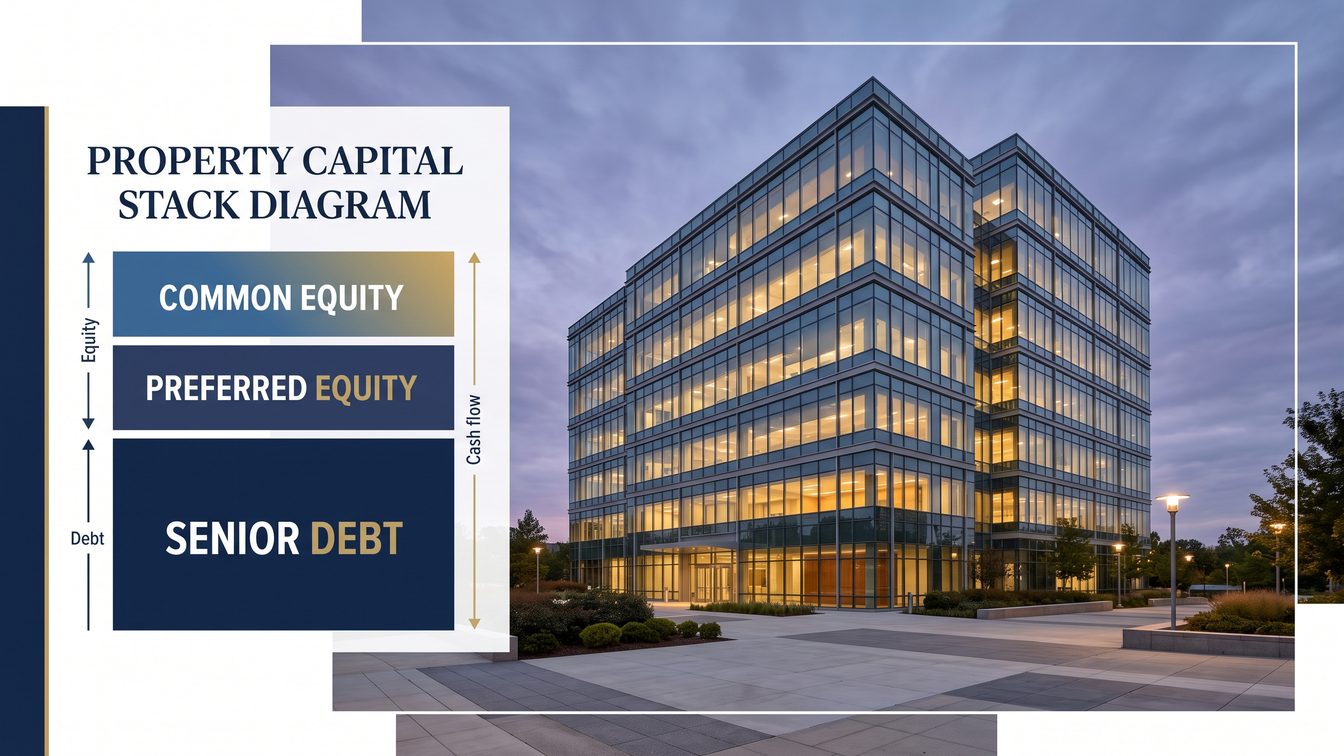
Financing is typically 50 to 70 percent debt. Broadly syndicated loans from major banks and direct lenders including Ares, Apollo, and Blackstone Credit have both played significant roles. Private credit has grown its share of take-private financing because it offers speed and covenant flexibility that the syndicated loan market sometimes cannot match, particularly for software-heavy or complex operational businesses.
Real Transactions
The Dell take-private in 2013 remains a reference case. Michael Dell and Silver Lake Partners acquired the company in a management buyout worth approximately $24.4 billion. Dell went private, reorganized away from consumer PCs toward enterprise technology, and returned to public markets via a 2018 IPO at a significantly higher valuation. The transaction is studied partly because it worked and partly because it required a years-long public fight to close over objections from major shareholders who argued the buyout price was too low.
BMC Software went private the same year through a consortium led by Bain Capital and Golden Gate Capital. A mature enterprise software company removed from the scrutiny of quarterly analyst calls and restructured over a multiyear hold period. Same thesis, different execution.
In 2025, the market moved to a different scale. Silver Lake and Affinity Partners closed a $55 billion acquisition of Electronic Arts, supported by what JPMorgan described as the largest single-deal LBO debt package ever arranged by one bank. Walgreens Boots Alliance completed a major take-private the same year. Smartsheet went private through a Blackstone and Vista Equity consortium in a deal that closed in 2025 after an initial announcement the prior year.
These are mega-cap deals. But the structural logic applies across size ranges, and understanding it helps any operator read what PE buyers are doing in their sector.
Post-Close Reality
Taking a public company private does not make it easier to run. It often adds complexity.
Formerly public companies are built around quarterly reporting cycles, investor relations functions, and disclosure-compliant communication practices. PE firms need something different: frequent operational KPI reporting that goes well beyond EBITDA, tracking specific value creation metrics on weekly or monthly timelines. The infrastructure that served Wall Street analysts does not automatically serve a PE board.
The transformation plan matters from day one. PE firms that succeed at take-privates define their exit thesis before they close: IPO, strategic sale, or secondary buyout. Every operational decision runs backward from that endpoint. Hold periods on take-privates run four to seven years, but the most disciplined operators start exit preparation immediately after close. Firms that treat the first year as a transition period before real work begins tend to compress their options by year four.
According to BDO's analysis, take-private deals come with broader organizational change demands than standard private-to-private acquisitions. A PE firm acquiring a formerly public company should assess its own reporting capabilities honestly before assuming the target's infrastructure is adequate for portfolio management.
What This Means for Lower-Middle-Market Operators
Most take-private transactions involve mid-cap and large-cap public companies. The lower-middle-market — businesses generating $2M to $10M in EBITDA — rarely appears in this deal type because the compliance cost of acquiring a public company does not make economic sense at that scale.
But the concept matters for operators in adjacent positions.
When a publicly traded competitor undergoes a take-private and disappears from quarterly reporting, the competitive signals change. Products, pricing, and market strategy all shift on a new timeline. A public company constrained by earnings guidance will not make the same acquisition moves as a freshly privatized portfolio company that has four years of runway before its PE sponsor cares about exit positioning.
For business owners considering their own exit, the dynamic matters from the buyer side as well. A PE firm that has recently taken a public company private in your sector has capital deployed and a mandate to build. Tuck-in acquisitions of private businesses often come at premium multiples when a PE platform needs to add scale to an asset it has committed to for the long term. Knowing what that platform is doing publicly gives you a read on what they might be willing to pay privately.
Frequently Asked Questions
What is the difference between a take-private and a management buyout?
A management buyout is a type of take-private where the company's existing management team leads the acquisition, typically with private equity backing. Not all take-privates are management buyouts. A standard take-private is led by a financial sponsor with no existing relationship to the company's management team. The Dell transaction in 2013 was both: PE-backed and management-led.
Why do PE firms pay a premium to take a company private?
Shareholders of a public company have no obligation to approve a deal at the current market price. The premium compensates them for giving up future upside and for approving the transaction. Without a premium, shareholders vote no, and the deal fails. The size of the premium reflects the competitive dynamic around the deal, the strength of the target's alternatives, and the target board's negotiating position.
How long does a take-private transaction take to close?
A one-step merger requiring a shareholder vote typically closes in eight to ten weeks from signing. A two-step tender offer under Section 251(h) of Delaware corporate law can close in four to six weeks. Regulatory complexity, financing timing, SEC comment periods, and antitrust review can extend either timeline. Large deals with market concentration concerns often run longer.
Do take-private deals happen in the lower-middle market?
Rarely. The legal, regulatory, and compliance cost of acquiring a public company rarely makes economic sense for businesses generating $2M to $10M in EBITDA. Take-privates are primarily a mid-cap and large-cap PE strategy. Lower-middle-market PE focuses on privately held businesses where the deal structure is simpler and the compliance burden is far lower.