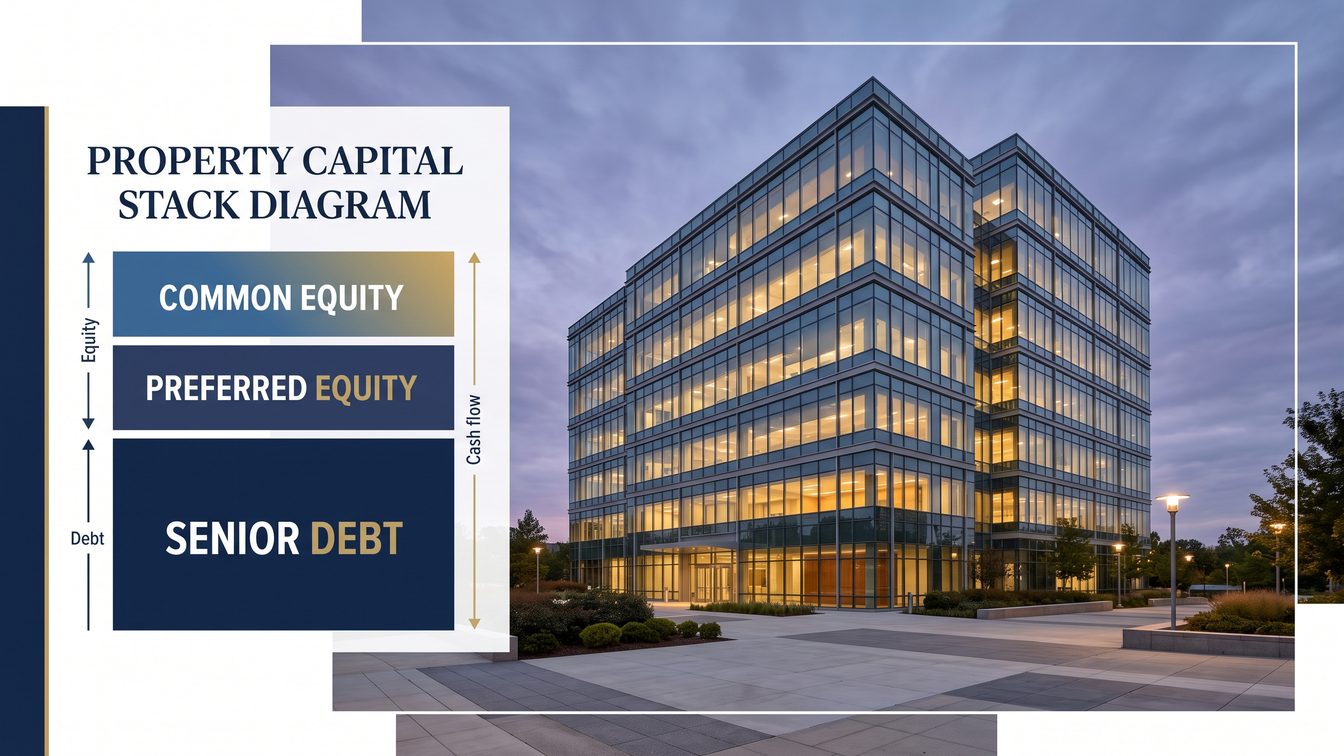
TL;DR: Permanent equity is a capital model that removes the exit clock. Instead of a 10-year fund forcing a sale, operators hold indefinitely, pay investors through distributions, and grow on their own timeline. According to Permanent Equity's fund documentation, their structure gives 30 years before capital must return — and fees only trigger when cash returns exceed a hurdle rate. That changes everything about how you run a business.
Two deals. Same business. Different ending.
Imagine a manufacturing company. $3M EBITDA. Owner wants out in three years. Clean books, loyal team, no customer concentration problems.
Two buyers come to the table.
Buyer A runs a traditional search fund. 10-year fund life. Debt-loaded deal. Needs to 3x in five to seven years to hit LP return targets. The plan: cut costs, bolt on a competitor, sell to a larger PE firm or strategic buyer.
Buyer B runs a permanent equity structure. No hard exit date. The fund has 30 years before capital must return. Distributions come from operating cash flow. The plan: install good operators, invest in the business, hold indefinitely.
Same company. Completely different trajectories for the employees, customers, and the seller's legacy.
That distinction is what permanent equity actually means. And it is becoming a serious alternative path for operators, sellers, and capital allocators who are tired of the exit-first mindset that defines most private equity.
What permanent equity is
Permanent equity is a holding model. The investor buys a business with no predefined timeline to sell. Returns come primarily through cash distributions, not a liquidity event.
The concept is not new. Berkshire Hathaway built the modern version of it starting in the 1960s. What is new is the application to the lower middle market, where businesses generating $1M to $10M in EBITDA can now access long-duration capital that was previously unavailable at that scale.
The key structural features that distinguish permanent equity from traditional PE:
- Fund life: 30 years instead of 10. No forced selling at the end of a cycle.
- Fees: No management fee unless cash distributions exceed a hurdle rate. GPs only get paid when LPs get paid.
- Debt: Minimal or no acquisition debt. The business does not get loaded with debt to juice returns.
- Hold: Indefinite by design. Exits happen when they make strategic sense, not because a fund is winding down.
- Distributions: Cash returns flow quarterly or semi-annually from operating profits.
This is not a niche philosophy. Permanent Equity, the Columbia, Missouri-based firm, has codified this model and grown it to a recognized brand in the lower middle market. Other operators and holdcos have adopted similar structures under different names: long-duration capital, permanent capital, operator-owned holdcos.
Why traditional PE creates exit pressure
To understand why permanent equity matters, you need to understand what it is reacting to.
A traditional 10-year private equity fund raises capital with two implied promises. First, your money comes back. Second, it comes back with a return. The fund has roughly three to five years to deploy capital, another three to five years to operate, and then must return capital before the fund matures.
That timeline creates pressure at every stage.
During acquisition, GPs are incentivized to move quickly and deploy capital. Slow movers get passed over. Speed rewards over precision.
During operations, the clock is running. Management teams know they have a short runway. Cost cuts that damage long-term culture get made because they boost short-term EBITDA. Strategic investments that take five years to pay off do not get funded because the holding period does not support them.
During exit preparation, everything gets optimized for the sale. Not for the business. The question shifts from "what does this company need to grow?" to "what story will the next buyer believe?"
Traditional search funds follow a similar pattern. According to the Stanford Graduate School of Business 2022 Search Fund Study, the median holding period for a traditional search fund acquisition is approximately 5.6 years before a sale to a strategic or financial buyer. The model is built around exit, even when the operator would prefer to keep building.
The permanent equity math
A common objection: if you never sell, how do LPs make money?
The answer is distributions. A business generating $3M in EBITDA, held without debt, throws off real cash. If that cash gets distributed twice per year rather than reinvested into speculative growth or acquisition fees, LPs receive ongoing income. Over 20 or 30 years, the cumulative cash return can exceed what a 3x multiple on an exit would deliver, and with lower risk.
Permanent Equity's fund terms reflect this directly. There are no management fees unless distributions exceed the hurdle rate. That means the GP team works without pay until they are generating above-average returns for their LPs. The incentive structure eliminates the tension between fee generation and investor returns that plagues traditional funds.
The math also works differently for the operator. Without debt service eating 30 to 50 percent of EBITDA in the early years, the business has capital to invest. That capital can go into technology, people, or organic growth rather than debt paydown. Compounding through operations is slower than financial engineering, but the businesses that come out the other side are more durable.
Who permanent equity is built for
Not every seller, operator, or investor is suited for this model. Be honest about the fit before you pursue it.
For sellers, permanent equity works when legacy matters. If you built a 30-person business over 20 years and care about what happens to your team after you leave, selling to a buyer with a five-year exit clock is a risk. The people who replaced you will be managing a sale process in year four or five. Permanent equity buyers are structurally aligned to keep what makes the business work. They have no incentive to disrupt it.
The tradeoff is price. Permanent equity buyers typically pay lower multiples than strategic buyers or debt-loaded PE funds. If maximum proceeds are the priority, permanent equity is not the right path.
For operators, permanent equity is the right structure when you want to build, not flip. Search fund operators who go through a traditional funded search often find themselves managing a sale process just as they have figured out the business. The exit happens at the worst possible time for the operator and the best possible time for the fund timeline. Permanent capital removes that conflict. You can make the 10-year infrastructure investments. You can pass the business to the next operator rather than a new buyer.
For investors, permanent equity requires a different mindset. You are giving up the IRR optionality of a timed exit for the yield and compounding of long-duration cash distributions. Institutional LPs optimizing for short-duration IRR will not be a fit. Family offices and high-net-worth individuals seeking income and capital preservation often are.
The holdco path
Permanent equity also describes a growth model, not just a fund structure.
An operator acquires one business. Runs it well. Generates cash. Instead of returning that cash to LPs as a distribution or preparing for a sale, the operator deploys it into a second acquisition. Then a third. The holdco compounds through acquisition rather than through financial engineering.
This is the path ETA experts describe as the long-term-hold or holdco path. It requires a different investor base than a traditional search fund. LPs in a traditional search fund expect a defined exit. LPs in a holdco structure are investing for distributions and long-term compounding. The investor conversation must be reset from the beginning.
PGC's Acquire, Mentor, Invest model is designed for exactly this. Veteran operators who want to build holding companies, not just flip single businesses. The 60-month operator development pipeline is about building operators who can run businesses over a decade, not just optimize for a three-year exit.
What permanent equity is not
A permanent equity framing does not guarantee good outcomes. The same way "long-term hold" can be a cover for patient capital building real value, it can also be a cover for investors who lack the skills to engineer a traditional exit and are calling it a philosophy instead of a limitation.
Watch for these red flags when evaluating a buyer who claims permanent equity intent:
- No clarity on how LPs receive returns. Distributions should be documented and scheduled.
- Vague statements about "never selling" without fee structures that align with that claim. If the GP still charges a 2 percent management fee regardless of distributions, the incentive is not what they say it is.
- Undervaluing the acquisition. Some permanent equity buyers justify below-market pricing by pointing to the certainty of a no-exit future. Sellers should value that certainty, but not at a 30 percent discount to fair market value.
- No growth investment thesis. Permanent equity is not the same as passive ownership. If the buyer's plan is to hold and extract cash without reinvesting, the business will stagnate.
The operator's decision
Here is the real question: are you building a business to sell, or building a business to own?
Most search fund operators enter the process planning to build and then sell. That is the default model. It is also increasingly being questioned by operators who close their first deal, get three years in, and realize they do not want to hand the business to a different PE firm.
Permanent equity gives those operators a different framework. Build the business as if you will own it for 20 years. Make the investments that require a long horizon. Retain the people who make the culture work. When you are ready to step back, find the next operator rather than the next buyer.
That is a harder path in some ways. It requires patient capital, operator continuity, and a willingness to trade maximum exit proceeds for long-term compounding and mission alignment.
For some operators, it is the right trade. For others, the funded search fund exit remains the goal.
Know which you are before you raise capital or sign a deal. The structure you choose will define the constraints you operate under for the next decade.
Frequently Asked Questions
How does permanent equity generate returns for investors without selling the business?
Returns come from cash distributions paid out of operating profits, typically quarterly or semi-annually. A business held without acquisition debt throws off real cash. Over 20 or 30 years, cumulative distributions can exceed what a 3x multiple on a timed exit would deliver.
What is the fund life of a permanent equity structure compared to a traditional PE fund?
Permanent equity structures have a 30-year fund life instead of the standard 10 years. Permanent Equity's fund documentation reflects this directly. That removes the forced-sale dynamic that defines traditional PE, allowing operators to make long-duration investments.
Does permanent equity charge management fees the same way traditional PE does?
No. Under permanent equity structures like the one Permanent Equity uses, management fees only trigger when cash distributions exceed a hurdle rate. The GP earns nothing until investors are generating above-average returns. That aligns incentives in a way that traditional 2% management fees do not.
Who is permanent equity not right for as a seller?
Permanent equity is not the right path if maximum proceeds on closing day are your priority. Permanent equity buyers typically pay lower multiples than strategic buyers or debt-loaded PE funds. If you are optimizing for the largest possible check at close, a competitive auction is the better route.