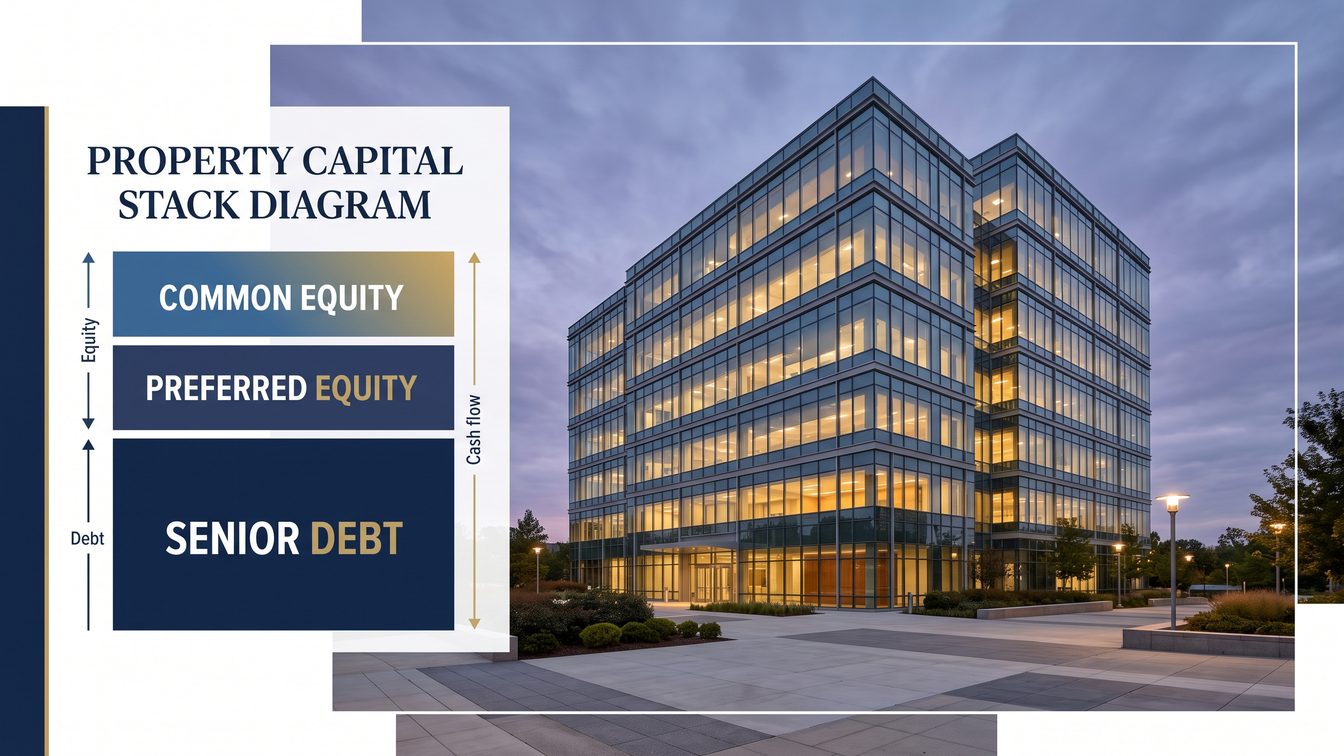
Two models dominate entrepreneurship through acquisition. You pick one before you start searching. The choice shapes your equity, your capital, your timeline, and who you answer to for the next five years. Get it wrong and the whole structure fights you.
According to the Stanford Graduate School of Business 2024 Search Fund Study, 94 traditional search funds launched in 2023 alone — a record. A separate 2023 survey of 279 self-funded acquirers by the Search Investment Group documented a different path gaining ground fast. Both work. They work differently.
Here is how each model is built, what it costs you, and how to decide which one fits your situation.
What the traditional search fund model actually is
A traditional search fund starts with you raising capital before you find a deal. You approach 10 to 20 accredited investors (family offices, former operators, dedicated ETA funds) and ask each to commit $25,000 to $75,000. The typical raise lands between $400,000 and $600,000. That money covers your salary and operating costs for two years while you hunt.
During the search phase, those investors own pro-rata rights in whatever company you eventually acquire. They get to participate in the acquisition round or step back. Most participate.
At acquisition, the capital structure gets built out fully. Investors provide equity capital for the deal. You receive a carried interest, typically 20% to 30% of the equity, that vests over four years. You earn it through performance, not from day one.
The numbers from Stanford are specific. Median deal size: $14.4 million purchase price. Median EBITDA at acquisition: $2.2 million. Median multiple paid: 7.0x. Median search duration: 20 months. Average searcher salary during the hunt: $139,000. Post-acquisition median CEO compensation: $190,000.
Investor returns on the traditional model are strong when deals work. The Stanford 2024 data shows an aggregate IRR of 35.1% and an average MOIC of 4.5x across all traditional funds studied. Exited funds show an IRR of 42.9%. Those numbers attract serious capital.
The cost: 57% of recent searchers actually acquire a company. The other 43% return the search capital and move on. And for those who do close, the capital loss rate on investor principal is approximately 31%. One in three deals loses money for investors.
What the self-funded search model actually is
The self-funded model strips out the pre-search capital raise. You find the deal first, then structure the financing around it. You are not raising a fund. You are buying a specific business using a mix of SBA lending, seller financing, rollover equity, and your own cash.
The 2023 SIG study found that 83% of successful self-funded acquirers paid less than 5.0x EBITDA. The typical deal runs between $1 million and $10 million enterprise value, smaller than the traditional model's median $14.4 million. That smaller deal size makes SBA 7(a) financing the dominant tool. 58% of self-funded acquirers used it.
On timeline: 53% of successful self-funded searchers closed a deal within 12 months of starting their search. That is faster than the traditional model's 20-month median. The reason is focus. When you have no investors watching your burn rate, you move differently.
The equity math shifts dramatically. Self-funded acquirers retain 60% to 80% or more of the equity. There is no carried interest structure because there is no pre-deal investor syndicate to carry. You own what you buy.
The capital loss rate drops too. The SIG study pegs it at approximately 5% for self-funded acquirers, versus 31% in the traditional model. Smaller deals, lower multiples, and SBA loan structures create a more forgiving floor.
The structural differences that matter most
| Factor | Traditional search fund | Self-funded search |
|---|---|---|
| Pre-search capital | $400K–$600K raised from investors | None required |
| Typical deal size | $10M–$30M enterprise value | $1M–$10M enterprise value |
| Median EBITDA multiple paid | 7.0x (Stanford 2024) | Less than 5.0x (SIG 2023) |
| Searcher equity at close | 20–30% carried interest | 60–80%+ direct ownership |
| Primary financing tool | Investor equity syndicate | SBA 7(a), seller financing |
| Typical search duration | 20 months median | 12 months or less (53% of acquirers) |
| Capital loss rate | ~31% | ~5% |
| Investor involvement post-close | Board seat, ongoing oversight | Minimal or none |
One more factor the table does not capture: accountability. Traditional search fund investors show up. They have board seats. They have seen dozens of these deals. That oversight can save you from bad decisions. It can also slow you down. Self-funded operators answer to a lender, not an equity board. Those are very different accountability structures.
The decision framework
This is not a question of which model is better. It is a question of which model fits your specific situation. Here is how to think through it.
Choose the traditional model if you want to pursue larger businesses ($2 million EBITDA and above) where SBA financing does not scale. If you want experienced investor operators in your corner during the search and post-close, traditional gives you that network. If you are willing to trade equity for capital and mentorship, the structure makes sense.
The traditional model also works if you are early in your operating career and genuinely want the oversight. Veteran operators sometimes chafe under board involvement. Newer operators often need it.
Choose the self-funded route if you are pursuing smaller deals where you can hold the majority of the economics. If speed matters, if you have a deal in sight already or access to off-market flow, the self-funded structure moves faster. If you have prior operating experience and a clear thesis, you do not need an investor syndicate validating your judgment at every step.
The self-funded path also fits operators who want to avoid the fundraising process entirely. Raising a traditional search fund takes three to six months before you even start searching. That is time and energy not spent on deal flow.
What Patriot Growth Capital looks for in either structure
At PGC, we work with operators across both models. The structure matters less than the operator. What we look for is consistent: a clear industry thesis, a disciplined acquisition screen, and an operator with the pattern recognition to run a business under stress.
The veteran operators we work with often gravitate toward the self-funded model. The reasons are practical. Military experience builds operating discipline fast. Veterans who understand systems, accountability, and decision-making under incomplete information are often ready to own majority equity from day one. They do not need to earn it back over four years.
That said, the traditional model's investor network has real value. When you are 18 months into your search, burned through 200 deals, and questioning everything, having investors who have seen this before matters. That is a resource the self-funded path does not provide.
The honest answer: run the math on your target deal size, then decide. If your deal universe is $1 million to $5 million EBITDA, self-funded is almost always the cleaner structure. Above $5 million EBITDA, traditional capital becomes necessary. The model follows the deal, not the other way around.
The risk that does not show up in the comparison
Both models carry execution risk. That is the one number neither dataset fully captures. The operator is the variable. No capital structure rescues a bad operator. No ownership percentage compensates for poor decisions post-close.
The Stanford data is worth reading directly. The SIG study is worth reading directly. Then build a model that reflects your specific deal size, your financial situation, and your operating experience. The right structure for your acquisition is the one that puts the most of your energy into running the business — not managing the capital stack.
For a deeper look at the mechanics of ETA deal financing, read our breakdown of search fund acquisition financing. For context on what acquirers typically target in the lower-middle market, see our piece on search fund acquisition criteria.
Disclosure: Jeff Barnes and Patriot Growth Capital have no personal position in any company, fund, or platform named in this article. PGC provides education and operational mentorship for veteran-led acquisitions. This content is for informational purposes only and does not constitute investment advice. All investments involve risk, including loss of principal.
Frequently Asked Questions
What is the main structural difference between a traditional and a self-funded search fund?
A traditional search fund raises $400,000 to $600,000 from investors before finding a deal, funding the searcher's salary and costs during a 12 to 24-month search. A self-funded search requires no pre-search capital raise. The operator finds the deal first, then structures financing around it using SBA lending, seller financing, and personal capital.
How does equity ownership differ between the two models?
Traditional search fund operators receive 20% to 30% carried interest that vests over the holding period. Self-funded acquirers retain 60% to 80% or more of the equity from day one because there is no pre-deal investor syndicate to carry. The self-funded path keeps far more of the economics with the operator.
Which model has a lower capital loss rate, and by how much?
Self-funded acquirers have a capital loss rate of approximately 5%, compared to approximately 31% in the traditional model, according to the 2023 Search Investment Group survey. Smaller deals, lower multiples, and SBA loan structures create a more forgiving floor in self-funded transactions.
How does deal size determine which model to use?
If your target deal universe is $1 million to $5 million in EBITDA, the self-funded structure is almost always cleaner. Above $5 million in EBITDA, SBA financing does not scale adequately and traditional investor capital becomes necessary. The model should follow the deal size, not the other way around.