A search fund is the fastest path from employee to owner-CEO. Not a startup. Not a franchise. You raise a small pool of capital, spend 18-24 months hunting for the right small business, buy it, run it for five to seven years, and sell it. The operator builds wealth. The investors collect returns. The business keeps its employees and customers. Everyone wins.
According to the Stanford GSB 2024 Search Fund Study, 681 search funds have been tracked in the U.S. and Canada since 1984. A record 94 launched in 2023 alone. The aggregate IRR across all completed funds is 35.1 percent. That is not a typo.
This article explains how the model works, what the numbers look like, and why veteran operators are building search funds at an accelerating pace.
The Four Stages
Every search fund follows the same sequence:
- Raise search capital. The operator forms an investment entity and raises $400,000 to $600,000 from 10 to 20 investors. Each investor buys in at $35,000 to $50,000 per unit. This capital covers the operator's salary (typically $80,000 to $120,000 per year), travel, legal fees, and data tools during the search period. Average time to close the search round is around four months.
- Search and acquire. The operator spends 18 to 24 months identifying a target company. According to Stanford, operators sign an average of 3.6 letters of intent before closing on an acquisition. The first LOI typically comes about 7.8 months into the search. Most operators source deals through proprietary research, business brokers, and direct outreach.
- Operate. Once the acquisition closes, the operator becomes CEO. The investor group joins the board. The operating period typically runs five to seven years. This is where value is created.
- Exit. The company is sold to a strategic buyer, another private equity firm, or recapitalized. The operator and investors split the proceeds according to the agreed equity structure.
The Numbers
The Stanford study is the industry's primary data source. Here is what the 2024 edition shows:
- Aggregate IRR since 1984: 35.1 percent
- Aggregate MOIC: 4.5x
- IRR for companies that have already exited: 42.9 percent
- Median purchase price: $14.4 million
- Median acquisition multiple: 7.0x EBITDA
- Median EBITDA margin of acquired companies: 27 percent
- Median annual revenue growth post-acquisition: 25 percent
The 2017 to 2020 acquisition cohort is currently the strongest generation on record. For companies in that cohort that have already exited, the IRR exceeds 50 percent.
These are small businesses. Median employee count at acquisition is 34 people. These are not Silicon Valley unicorns. They are profitable service companies, healthcare practices, and software businesses operating in cities and towns across America.
How the Equity Works
The investor economics reward early commitment. When search capital converts to acquisition equity, investors receive a 1.5x step-up on their invested amount. From there, they hold preferred equity in the acquired company.
The operator receives between 20 and 30 percent of the company, vesting over four to five years. The first equity tranche typically vests at close: around 8 to 10 percent. The remaining equity unlocks against performance thresholds, often set at 25 to 35 percent IRR for investors.
The alignment is tight by design. If the operator fails to create value, the performance equity does not fully vest. If the operator delivers, both sides win.
Traditional vs. Self-Funded
The search fund model has two main structures. The choice shapes risk, equity, and control.
Traditional search fund: The operator raises search capital before identifying a target. Investors are in from day one. They fund the salary, absorb the search costs, and receive equity rights at acquisition. The operator carries lower personal financial risk during the search period but accepts higher dilution at close. Board involvement from investors starts immediately after acquisition.
Self-funded search: The operator uses personal savings to fund the search. No institutional investors are involved until an acquisition target is found. This approach preserves equity: a self-funded operator can retain 50 to 90 percent of the company at close. The tradeoff is personal financial exposure during the 18 to 24 month search period. Capital is raised only at acquisition, typically through SBA 7(a) loans combined with a small group of co-investors.
For a full comparison of the two models, see our breakdown of traditional versus self-funded search funds. Both paths have produced strong returns. The right choice depends on the operator's financial position, risk tolerance, and preference for investor involvement.
What Industries Search Funds Target
Stanford data shows four sectors dominating acquisitions:
- Healthcare: 25 percent of acquisitions
- Business services: 25 percent
- Software and technology: 22 percent
- Tech-enabled services: 16 percent
The common thread is not the industry. It is the business profile. Search fund operators look for companies with recurring or repeat revenue, low customer concentration, defensible margins, and an owner who is ready to exit. The business does not need to be exciting. It needs to be durable.
That profile overlaps heavily with the businesses that are changing hands right now due to baby boomer retirements. More than 12 million small businesses in the U.S. are owned by people over 55. Many have no succession plan. That is not a market gap. That is an acquisition pipeline. See our analysis of the baby boomer business succession wave for what this means in practice.
The Timeline
A realistic search fund lifecycle from formation to exit runs eight to ten years:
- Search capital raise: roughly four months
- Search period and acquisition close: 18 to 24 months
- Operating period: five to seven years
- Sale process: six to twelve months
Yale SOM research published in 2025 shows the median operating hold period for investors in recent exit cohorts ran 4.8 to 5.9 years. According to Endurance Search Partners, 67 percent of search-fund CEOs remain full-time with the company even after the original investors have exited and cashed out. The operator does not leave because they have built something worth staying for.
Why Veteran Operators Win at This
The search fund model rewards a specific set of skills: comfort with ambiguity, disciplined process execution, the ability to lead people through transition, and the willingness to be accountable for outcomes with no backup plan.
Those are not MBA skills. Those are military skills.
The operator who has led a platoon through a complex mission, managed a nuclear watch section at sea, or built a field network in an austere environment has already trained for this job. The search period is a mission planning phase. The acquisition close is D-Day. The operating period is the sustained campaign. The exit is the handoff.
Nathan Schwartzbauer, a U.S. Army Special Forces veteran who graduated from Duke Fuqua MBA in 2024, launched his search fund immediately after school. He cited direct alignment between Special Forces leadership and the demands of running a lower-middle-market company as an incoming owner-CEO. He was not the first. He will not be the last.
At Patriot Growth Capital, we back operators with that profile. Veterans who can run a business the way they ran a team. Not managers. Operators. If you are a veteran considering the ETA path, read our breakdown of the search fund versus private equity comparison and reach out.
Who Invests in Search Funds
The investor base in search funds is primarily made up of high-net-worth individuals, family offices, and a small number of institutional LP programs. Most are former operators or executives who understand small-business operations. They are not passive capital. They are mentors, board members, and deal advisors.
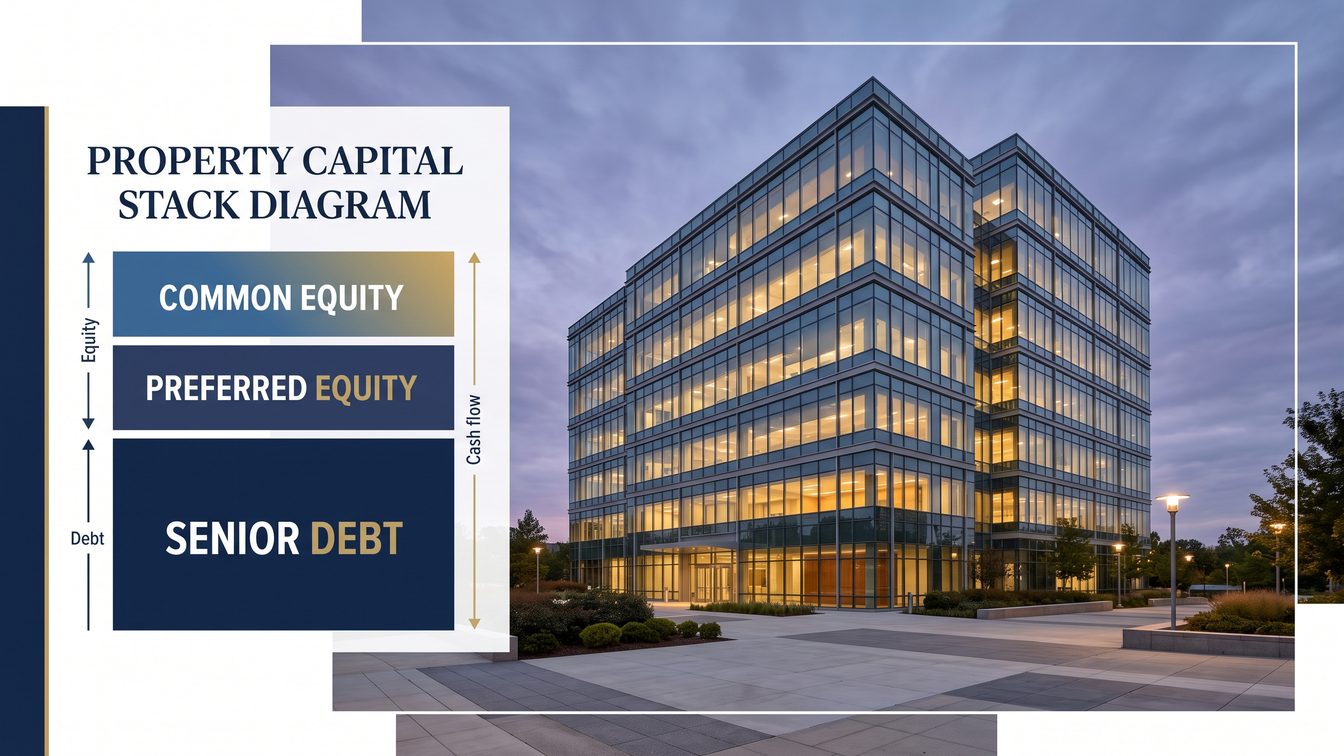
The typical investor commits $35,000 to $50,000 at the search stage, then rolls that into acquisition equity at a 1.5x step-up. Total capital deployed per transaction runs from $3 million to $10 million on the equity side, with senior debt (often SBA 7(a)) covering the balance of the purchase price.
Stanford data shows total investor capital deployed in 2022 to 2023 reached $682 million across all active U.S. and Canadian search funds. That is a small asset class with outsized returns.
The Bottom Line
A search fund is not complicated. It is a structured vehicle for one person to find, buy, and run a good business. The model has been stress-tested across 40 years and 681 funds. The returns are real. The track record is public. The opportunity set is expanding because baby boomers are retiring and their businesses need new owners.
The question is not whether this works. The question is whether you are the operator who can make it work. That answer has nothing to do with where you went to school.
It has everything to do with what you are willing to build.
Frequently Asked Questions
How much does a search fund operator earn during the search period?
The operator's salary during the search period is typically $80,000 to $120,000 per year, paid from the $400,000 to $600,000 in search capital raised from investors. That capital also covers travel, legal fees, and data tools.
How long does a typical search fund take from start to exit?
A realistic lifecycle runs eight to ten years. The search capital raise takes roughly four months, the search period and acquisition close take 18 to 24 months, the operating period runs five to seven years, and the sale process takes six to twelve months.
What industries do search fund operators target most often?
Stanford data shows four sectors dominating acquisitions: healthcare at 25 percent, business services at 25 percent, software and technology at 22 percent, and tech-enabled services at 16 percent. The common thread across all four is businesses with recurring or repeat revenue, low customer concentration, and defensible margins.
How does a traditional search fund differ from a self-funded search?
In a traditional search fund, investors fund the search from day one and receive equity rights at acquisition, but the operator accepts higher dilution at close. In a self-funded search, the operator uses personal savings during the search, preserves more equity, and raises capital only at acquisition, typically through SBA 7(a) loans and a small group of co-investors.